
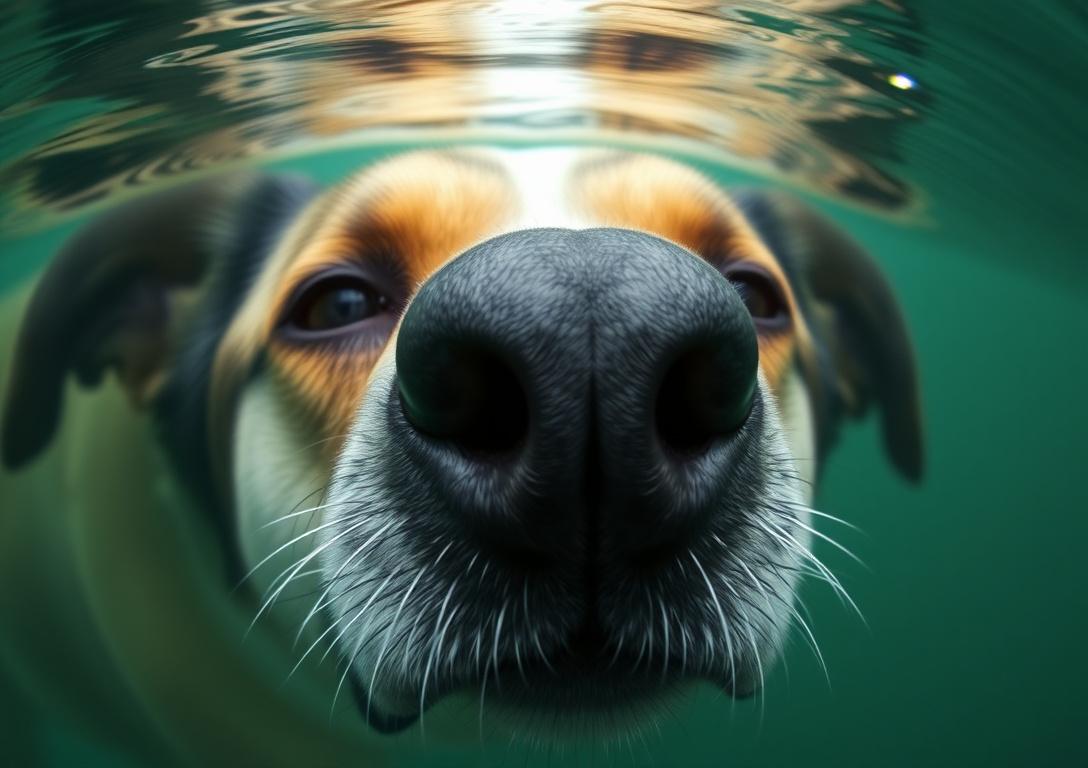
Dog Whale Eye Meaning: Why Your Dog is Showing the Whites of Their Eyes
Estimated reading time: 6 minutes
Key Takeaways:
- Whale eye is a high-level stress signal where a dog shows the white part of the eye (sclera) while keeping their gaze fixed on a perceived threat.
- It is a critical component of the Canine Ladder of Aggression and should never be ignored or punished.
- Common triggers include resource guarding, unwanted physical affection, and invasion of personal space.
- Immediate action involves backing away and giving the dog space to lower their arousal levels.
As a dog owner, you’ve likely spent countless hours observing your furry friend’s quirks. You know the “zoomies” look, the “I’m hungry” stare, and the “I’m sorry I chewed your shoe” posture. But there is one specific look that often goes misunderstood, and it is perhaps the most critical piece of communication your dog will ever give you. We are talking about dog whale eye meaning, a silent but powerful signal that every pet parent needs to recognize to manage Dog Anxiety and prevent serious Dog Behavior Problems.
Understanding the dog whale eye meaning is the first step in becoming a truly “connected” dog owner. When you see that sliver of white in your dog’s eye, your dog is telling you something urgent. At www.chilldogzone.com, our mission is to provide you with the practical, compassionate solutions you need to navigate these complex emotions. Whether you are dealing with Puppy Behavior Issues or managing the needs of a beloved senior, recognizing this stress signal is vital for a safe and happy home.
What is Dog Whale Eye Meaning and How Do You Spot It?
In the world of canine body language, the term “whale eye”—also frequently called “half-moon eye”—refers to a very specific visual marker. It occurs when a dog averts their head slightly away from a person or object but keeps their eyes locked onto it. This movement results in a dog showing whites of eyes, specifically the part known as the sclera, in a crescent or half-moon shape.
Identifying this signal requires a keen eye for detail. Unlike a relaxed dog whose eyes are soft and almond-shaped, the dog whale eye meaning is associated with a “hard stare.” You may notice their pupils are dilated, their eyelids are pulled back tightly, and their entire facial structure appears rigid or frozen. According to experts at the American Kennel Club (AKC), this is rarely a standalone signal; it is almost always part of a larger cluster of Anxiety Triggers.
The “Natural” Exception
Before you panic, it is important to establish your dog’s “baseline.” Some breeds naturally show more sclera than others due to their physical anatomy. For example, Boxers, Bulldogs, and some Spaniels have loose skin or specific eye shapes that might make a bit of white visible even when they are perfectly relaxed. The dog whale eye meaning we are focusing on today refers to a behavioral shift—a sudden change where the eyes become wide and fixed in response to a specific stimulus.
The Psychological Root: Why Do Dogs Show Whale Eye?
To provide the best Anxiety Treatments & Remedies, we must first understand the “why” behind the dog whale eye meaning. Whale eye is a classic manifestation of high-level stress, fear, or resource guarding.
From an evolutionary standpoint, this behavior is a survival mechanism. Among the various facial expressions fear can produce in a canine, this one is particularly telling. When a dog feels threatened but isn’t quite ready to flee or fight, they keep their head positioned to protect their neck or prepare for movement, while keeping their gaze fixed intently on the perceived “threat.” They are essentially in a state of hyper-vigilance.
They feel they cannot look away for even a second because the danger might strike.
This is a high-arousal state. When a dog is showing whale eye, their sympathetic nervous system has taken over—the “fight or flight” response is fully engaged. This is why the dog whale eye meaning is often linked to broader Dog Behavior Problems; the dog is no longer thinking rationally with their “dog brain” but is reacting purely on instinct.
Common Contextual Triggers for Whale Eye
As an expert at Chill Dog Zone, I’ve seen that Dog Anxiety doesn’t happen in a vacuum. The dog whale eye meaning is usually triggered by specific environmental factors.
- 1. Resource Guarding: This is perhaps the most common context. If you approach your dog while they have a high-value treat, a favorite bone, or a new toy, and they flash the whites of their eyes, they are warning you: “This is mine, and I am uncomfortable with you being this close.”
- 2. Unwanted Physical Affection: Humans love to hug and kiss dogs. However, many dogs view hugging as a form of “confinement” or a threat. If you see a dog showing whites of eyes when a child is hugging them, it is a red flag.
- 3. Invasion of Personal Space: A dog resting on the couch or in their crate may show whale eye if someone leans over them. Leaning over a dog is an assertive, intimidating gesture. This often triggers Large Dog Breeds Anxiety.
- 4. Medical Pain and Senior Dog Behavior: If you touch a dog in a sensitive area—such as an arthritic hip—and they show whale eye, it is a warning that they are in pain. In these cases, Senior Dog Behavior changes require looking into Nutrition & Supplements like CBD or glucosamine.
The Ladder of Aggression: A Pre-Bite Warning
Understanding the “Canine Ladder of Aggression” is the most important takeaway for any dog owner. The dog whale eye meaning is a high-level warning signal. It is not a “cute” look; it is a “back off” look.
On the ladder of aggression, dogs usually start with subtle signs like licking lips or yawning. If these go ignored, they move up to:
- Whale Eye
- Stiffening/Freezing
- Growling
- Snapping
- Biting
The Danger of Punishing the Warning
One of the biggest mistakes owners make is punishing the dog for showing whale eye or growling. As we say at Chill Dog Zone, punishing a warning is like “taking the batteries out of a smoke detector.” If you scold a dog after learning the dog whale eye meaning, you aren’t fixing the underlying Dog Anxiety; you are just teaching them to skip the communication and go straight to the bite.
According to research from VCA Animal Hospitals, a stiff, frozen dog is a dog that is ready to react. Do not mistake stillness for calmness.
Practical Solutions: What to Do When You See Whale Eye
When you recognize the dog whale eye meaning in real-time, your reaction determines safety:
1. Immediate Action: Stop and Back Away
The moment you see the sclera, stop what you are doing. If you are petting the dog, pull your hand back. Increasing physical distance is the fastest way to lower arousal levels.
2. Do Not Stare Back
In the animal kingdom, a direct, unblinking stare is a challenge. Look away, turn your body slightly to the side, and show the dog that you are not a threat.
3. Create a “Path of Least Resistance”
Make sure the dog has a clear exit route. A dog that feels trapped is more likely to bite than a dog that feels they can walk away.
4. Analyze the Trigger Later
Once the dog has calmed down, evaluate the situation. Was it a specific toy? Was it the way you approached? Analyzing the context is crucial for preventing future Dog Behavior Problems.
Breed-Specific Anxiety: Large vs. Small Breeds
- Large Dog Breeds Anxiety: Large dogs can be more intimidating, and their bites can cause more damage. If a large dog shows whale eye during Dog Outdoor Anxiety, it’s time to move to a “safe zone” immediately.
- Small Dog Breeds Anxiety: Small dogs are often victims of “space invasion.” If your small dog is showing whale eye, they are likely feeling overwhelmed by the world’s size or physical handling without consent.
Long-Term Management: Anxiety Treatments & Remedies
If your dog frequently displays whale eye, it is a sign of chronic Dog Anxiety. You need a holistic approach:
Training and Desensitization: Work with a positive reinforcement trainer. For resource guarding, use the “trade-up” game to teach the dog that your approach is a positive event.
Nutrition & Supplements: Sometimes, brain chemistry needs help. Consult your vet about Nutrition & Supplements like L-theanine, tryptophan, or chamomile. For severe cases, pharmaceutical Anxiety Treatments & Remedies may be necessary.
Puppy Behavior Issues: Early intervention during “fear periods” can prevent Puppy Behavior Issues from turning into lifelong Dog Behavior Problems.
Addressing Other Common Issues
The dog whale eye meaning is often part of a larger behavioral picture including:
- Dog Excessive Barking: Used to create distance between the dog and a threat.
- Jumping on People: Can be “frenetic” behavior caused by an inability to settle.
- Dog Outdoor Anxiety: Environmental overstimulation can lead to wide-eyed hyper-vigilance.
FAQ Section
What exactly is “whale eye” in dogs?
Whale eye occurs when a dog tilts their head away but keeps their eyes fixed on something, revealing the white part of the eye (the sclera). It is a major indicator of stress or fear.
Is it always a sign of aggression?
No, it is a warning signal. The dog is communicating that they are uncomfortable. However, if the warning is ignored, it can lead to aggressive actions like snapping or biting.
What should I do if my dog shows whale eye when I pet them?
Stop immediately and move away. Your dog is telling you they need space. Later, try to identify if you were touching a painful spot or if they felt trapped.
Can some breeds naturally have whale eye?
Yes, breeds like Boxers, Bulldogs, and some Spaniels have anatomy that makes the whites of their eyes more visible. Look for a change in their normal expression to identify a stress response.
For further reading on canine communication, check out Fear Free Happy Homes for more on reducing fear, anxiety, and stress in pets.