
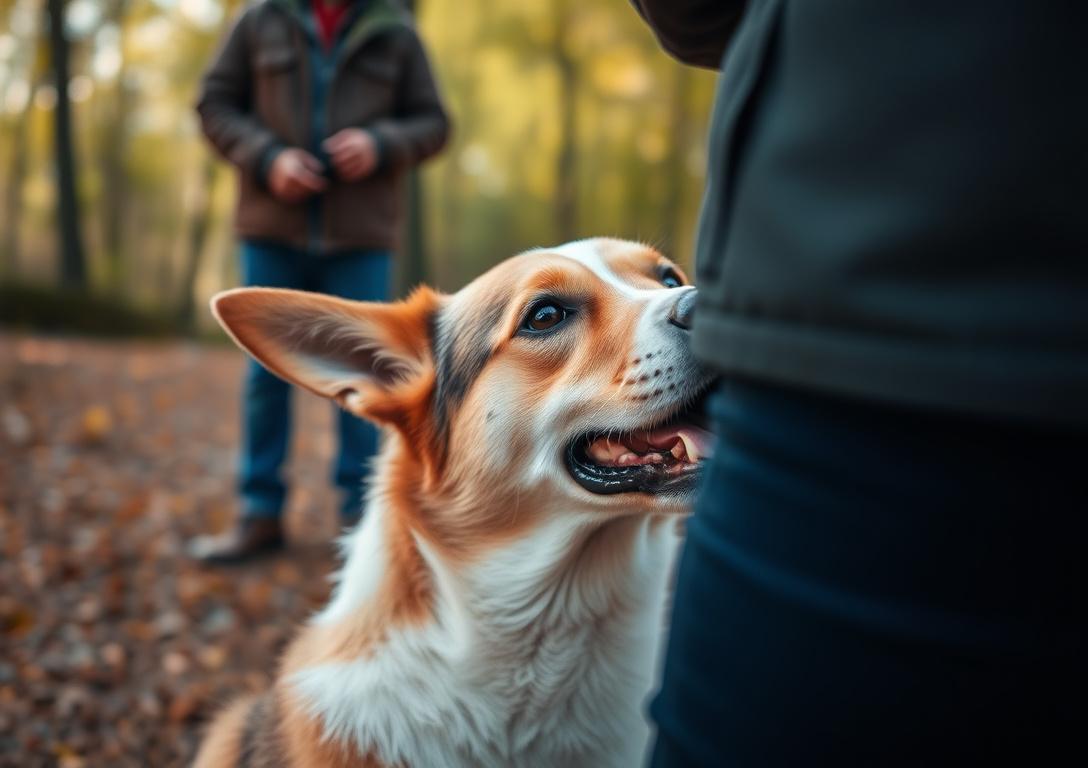
Why Is My Dog Afraid of Men? Practical Solutions for a More Confident Canine
Estimated reading time: 8 minutes
Key Takeaways:
- Fear of men is often rooted in lack of socialization or biological factors rather than past abuse.
- Specific physical traits like deep voices, facial hair, and large frames act as Anxiety Triggers for sensitive dogs.
- The “Treat and Retreat” protocol is the most effective way to build confidence without forcing interaction.
- Setting strict boundaries for male visitors is essential to prevent Dog Behavior Problems from escalating.
If you’ve ever invited a male friend over only to have your furry best friend retreat into the corner, growl, or tremble uncontrollably, you know how heartbreaking and frustrating it can be. Having a dog afraid of men is one of the most common challenges we see here at www.chilldogzone.com. As a dog owner, your primary goal is to ensure your pet feels safe and secure in their home, yet this specific fear can make social gatherings and even daily walks feel like a minefield of Dog Behavior Problems.
Understanding why this happens is the first step toward a solution. Many owners immediately assume their dog must have been mistreated by a man in the past. While trauma is a factor for some rescue animals, the process of socializing rescue dog pets often reveals that the fear is more complex, rooted in biology, socialization, and sensory perception. In this guide, we will dive deep into the root causes of why a dog might be scared of males, identify common Anxiety Triggers, and provide you with a step-by-step roadmap using the “Treat and Retreat” protocol to help your dog regain their confidence.
Understanding the Root Causes: Why Dogs Fear Men
It is a common misconception that a dog afraid of men is always a victim of past abuse. While we must always be compassionate toward a dog’s history, professional behaviorists have found that several other factors are usually at play.
1. The Critical Socialization Period
The most frequent cause of this fear is a lack of varied socialization during the “critical socialization period,” which occurs between 8 and 16 weeks of age. During this window, puppies are like sponges, soaking up experiences that define what is “safe” and what is “dangerous” for the rest of their lives. If a puppy isn’t exposed to a wide variety of men—men with beards, men in hats, men with deep voices, and men of different heights—they may develop Puppy Behavior Issues that manifest as fear later in life.
2. Evolutionary Biology and Physical Stature
From a canine perspective, men can be physically imposing. Men generally have broader shoulders, larger frames, and a more assertive gait. To a sensitive dog—especially those prone to Small Dog Breeds Anxiety—these “looming” physical traits trigger an ancient fight-or-flight response. When a tall man stands over a dog, the dog perceives it as a dominant or threatening gesture.
3. Distinct Scents and Sounds
Dogs experience the world primarily through their noses and ears. Men have a distinct hormonal scent, driven by testosterone, which is different from the scent of women. Furthermore, men possess lower-frequency vocal cords. Deep voices vibrate differently in the air and can be perceived as a “growl” by a dog afraid of men. This canine fear of deep voices is a biological response that requires patience and desensitization to overcome.
Identifying Key Anxiety Triggers for Men-Specific Fear
To provide effective Anxiety Treatments & Remedies, we must first identify what exactly is triggering the reaction. Often, it isn’t “men” in general, but specific attributes associated with masculinity.
- Facial Hair and Accessories: Beards, glasses, sunglasses, and hats obscure human facial expressions, making it nearly impossible for a dog to “read” intent.
- Direct Eye Contact: In the canine world, a direct, prolonged stare is a challenge or a threat. Men often inadvertently stare at a dog while trying to “make friends,” which increases stress.
- Leaning Over the Dog: Many people greet dogs by leaning over them to pet the top of their head. This mimics the way a predator might loom over prey.
- Heavy Footsteps: The sound of heavy boots or a weighted, stomping stride can lead to Dog Excessive Barking or hiding.
The “Treat and Retreat” Protocol: A Science-Based Solution
When dealing with a dog afraid of men, the traditional advice of “just have the man give the dog a treat” can actually backfire. This creates an internal conflict where the dog wants the food but is terrified of the person holding it.
At www.chilldogzone.com, we recommend the Treat and Retreat method, originally developed by renowned behaviorist suzanneclothier.com. This method removes the pressure for the dog to approach the scary person.
How to Implement Treat and Retreat:
- Maintain Distance: The male visitor should stand sideways to the dog and avoid all eye contact.
- The “Toss Behind”: Instead of the man holding the treat out, he should toss a high-value treat behind the dog.
- The Psychology of the Toss: By tossing the treat behind the dog, the man is giving the dog permission to move away to get the reward. This reinforces that the man’s presence results in good things without the dog being “trapped.”
- Gradual Progression: As the dog begins to show relaxed body language—such as a loose, wagging tail—the man can begin to toss the treat slightly closer to himself.
Essential Rules for Male Visitors (The “Don’ts”)
As a dog owner, you are your pet’s advocate. Providing rules for a guest meeting a dog afraid of men can prevent unnecessary stress:
- Completely Ignore the Dog: No talking, no looking, and certainly no touching. Acting like the dog doesn’t exist is the best thing a man can do.
- Use a Softened Voice: Encourage male visitors to use a slightly higher-pitched, calmer tone of voice.
- Let the Dog Sniff First: If the dog gathers the courage to approach, the visitor must remain perfectly still and not reach down to pet.
Addressing Breed-Specific and Age-Related Anxiety
Large Dog Breeds Anxiety: When a large dog is afraid of men, it can manifest as fear aggression towards men. Because they are large, these dogs may feel they have no choice but to use their size to scare the threat away. Safety measures like a basket muzzle during training may be necessary.
Small Dog Breeds Anxiety: Smaller dogs are often more prone to fear because the world looks gargantuan to them. Their fear is a genuine manifestation of Dog Behavior Problems that requires the same respect as a larger dog.
Senior Dog Behavior: If this fear is new, it might be related to Senior Dog Behavior issues. Declining vision or hearing can cause a dog to be easily startled by a man entering the room.
Holistic Support: Nutrition & Supplements
While training is the gold standard, many owners find that Nutrition & Supplements play a vital role in managing Dog Anxiety. Calming supplements containing L-theanine, melatonin, or CBD specifically formulated for pets can help lower a dog’s threshold, making them more receptive to training. Always consult with your veterinarian before starting any new regimen.
A Note on Safety and Fear Aggression
If your dog exhibits signs of fear aggression towards men—such as lunging, snapping, or baring teeth—it is vital to consult a professional. We recommend finding a Certified Professional Dog Trainer through the Association of Professional Dog Trainers (APDT).
“Never use ‘flooding’—the practice of forcing your dog to stay near a man to show them he’s okay. This can cause a dog to shut down or result in a defensive bite.”
Frequently Asked Questions
1. Why is my dog only afraid of some men?
Dogs often react to specific triggers such as beards, hats, deep voices, or a certain way a person walks. If a man lacks these specific triggers, the dog may feel more comfortable.
2. Can a dog suddenly become afraid of men?
Yes. This could be due to a single traumatic event, a lack of continued socialization, or health-related issues, especially in Senior Dog Behavior where vision or hearing loss occurs.
3. Is it okay to force my dog to meet a man?
No. Forcing a dog into a situation they find terrifying can lead to “flooding,” which increases Dog Anxiety and can cause the dog to bite in self-defense.
4. How long does it take to fix this fear?
Desensitization is a slow process. Depending on the severity, it can take weeks or months of consistent practice with the Treat and Retreat protocol to see significant change.
5. Does my dog need medication for their fear?
In severe cases, Anxiety Treatments & Remedies including prescription medication from a vet can help “lower the ceiling” of the dog’s fear so that behavioral training can actually take root.