
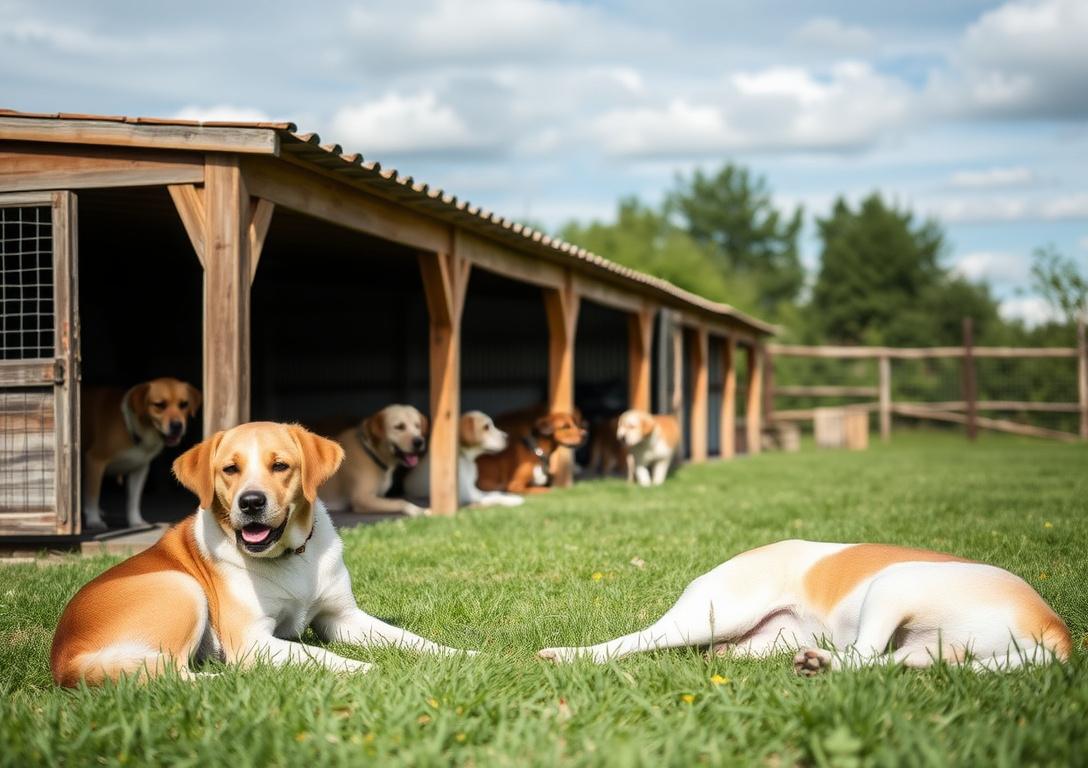
Managing Kennel Stress in Dogs: Your Complete Guide to Stress-Free Boarding
Estimated reading time: 6 minutes
Key Takeaways:
- Physiological Impact: Stress causes cortisol spikes that can suppress a dog’s immune system, leading to illnesses like kennel cough.
- Early Recognition: Identifying physical signs (panting, dilated pupils) and behavioral shifts (pacing, withdrawal) is essential for intervention.
- Preparation is Key: Utilizing “Happy Visits” and trial stays helps build positive associations with boarding facilities.
- Sensory Comfort: Bringing items from home with a familiar scent and using calming aids like Adaptil can significantly reduce confinement distress.
As a devoted dog owner, there is nothing quite as heart-wrenching as the look in your dog’s eyes when you drop them off at a boarding facility. We want our vacations to be relaxing, but for many of us, the worry over kennel stress in dogs lingers in the back of our minds. Whether you are dealing with a rescue dog with a traumatic past or a pampered pup who has never spent a night away from your side, understanding how to manage “confinement distress” is essential for their well-being.
At www.chilldogzone.com, we have spent over a decade helping owners navigate the complexities of Dog Anxiety and Dog Behavior Problems. We know that a kennel environment—with its cacophony of barking, unfamiliar smells, and different routines—can be a significant trigger for even the most laid-back pets. In this comprehensive guide, we will dive deep into the physiological causes of kennel stress in dogs, how to identify it, and, most importantly, the practical solutions you can implement today to ensure your dog stays calm, healthy, and happy while you’re away.
Understanding the “Why” Behind Kennel Stress in Dogs
Kennel stress in dogs is much more than just a bout of homesickness. It is a complex physiological and psychological response to a sudden and drastic change in environment. When an anxious dog is placed in a kennel, the combination of loud noises, strange scents, and the absence of their primary caregiver often triggers a “fight or flight” response.
From a biological standpoint, this response causes a massive spike in cortisol, the body’s primary stress hormone. While cortisol is useful in short bursts for survival, prolonged elevation during a week-long boarding stay can have serious health implications. High cortisol levels are known to suppress the immune system, making dogs significantly more susceptible to illnesses such as “kennel cough,” scientifically known as Infectious Tracheobronchial Cyclitis.
According to research from the American Kennel Club (AKC), a stressed dog’s immune system is far less capable of fighting off the viral and bacterial pathogens commonly found in communal environments.
For dogs already prone to Dog Anxiety, this environment can exacerbate existing Dog Behavior Problems, turning a minor worry into a full-blown panic response. Understanding that this is a physical reaction, not a “choice” by your dog, is the first step in finding a compassionate solution.
Recognizing the Symptoms of Kennel Stress
Before we can solve the problem, we must be able to identify it. Kennel stress in dogs can manifest in various ways, depending on the dog’s personality and breed. Symptoms are often similar whether the animal is staying overnight or is a dog stressed at daycare.
Physical Indicators
- Excessive Panting: Even in a temperature-controlled room, a stressed dog will pant heavily as a sign of agitation.
- Dilated Pupils: If a dog’s eyes look “wide” or you can see the whites of their eyes (whale eye), they are likely in a high state of arousal.
- Trembling and Shaking: You may notice “wet dog shakes” even when the dog is perfectly dry; this is a common way for dogs to “shake off” adrenaline.
Behavioral Indicators
- Repetitive Motions: Pacing, spinning in circles, or jumping against the kennel door are classic signs of confinement distress and kennel stress in dogs.
- Excessive Barking: Unlike normal “alert barking,” stress-induced barking is often high-pitched, relentless, and repetitive.
- “Shutting Down”: Some dogs don’t act out; they withdraw. Lethargy, refusal to play, and a complete lack of interest in food are serious signs that a dog is overwhelmed.
Gastrointestinal Indicators
Stress-Induced Colitis: It is very common for anxious dogs to develop diarrhea or vomiting due to the gut-brain connection. When the brain is in a state of high alarm, the digestive system often reacts violently.
Selecting the Right Facility: The Foundation of Success
The most critical step in mitigating boarding anxiety is choosing a facility that understands Anxiety Triggers. Not all kennels are created equal, and for an anxious pet, the cheapest or most convenient option may not be the best. While some facilities focus on overnight stays, a dog stressed at daycare needs just as much attention to their physical environment and social pairings.
When researching facilities, look for those that prioritize “low-stress handling” and “fear-free” environments. According to Fear Free Pets, a certified facility is trained specifically to recognize the subtle, early signs of anxiety and intervene before the dog reaches a breaking point.
Key Questions to Ask the Facility:
- What is the staff-to-dog ratio? A high ratio ensures your dog receives the individual attention needed to soothe their Puppy Behavior Issues or Senior Dog Behavior concerns.
- How do you handle dogs that refuse to eat? High-quality facilities will offer “toppers” like bone broth, wet food, or even hand-feeding to encourage a nervous eater.
- What is the daily schedule? Routine is the enemy of anxiety. Dogs thrive when they know exactly when they will eat, exercise, and sleep.
- Can I request a “quiet wing”? Many modern facilities offer specialized areas for smaller breeds or nervous dogs, away from the high-activity, high-noise zones. This is especially helpful for Small Dog Breeds Anxiety.
- Are staff on-site 24/7? For a dog with severe separation anxiety, knowing a human presence is nearby overnight can significantly lower their baseline stress.
Pre-Boarding Preparation: The Trial Run
You wouldn’t run a marathon without training, and you shouldn’t expect a dog with boarding anxiety to handle a ten-day stay without preparation.
The Power of “Happy Visits”
Take your dog to the facility for “Happy Visits.” These are short, 15-minute trips where the dog enters the building, receives high-value treats from the staff, and leaves immediately. This builds a positive association with the environment, signaling to the dog that this place is a source of rewards, not just a place where they are “left behind.”
Trial Stays
For dogs with significant Dog Behavior Problems, a single overnight stay (a “trial run”) is highly recommended before a long vacation. This allows you to see how the dog reacts and gives the kennel staff a chance to learn how to mitigate kennel stress in dogs based on your pet’s specific needs.
Pre-Drop-Off Exercise
Immediately before you drop your dog off, engage in a long walk or a vigorous play session. Lowering the dog’s physical energy levels helps them enter the facility in a calmer state, making them more likely to settle down in their kennel quickly. This is particularly important for Large Dog Breeds Anxiety, where pent-up energy can quickly turn into destructive behavior.
The “Comfort Kit”: Essentials for a Low-Stress Stay
Providing your dog with familiar sensory input is one of the most effective Anxiety Treatments & Remedies. A curated “Comfort Kit” acts as a bridge between home and the kennel, effectively reducing the likelihood of kennel stress in dogs.
- The “Scent Item”: Scent is a dog’s most powerful sense. An unwashed t-shirt or pillowcase that smells like you provides immediate neurological comfort. When a dog smells their owner, it triggers the release of oxytocin, which naturally counters cortisol.
- Calming Aids: Modern science offers several non-pharmaceutical aids for Dog Anxiety.
- Adaptil (DAP): Dog Appeasing Pheromone (DAP) mimics the pheromones nursing mothers release to calm their puppies.
- Thundershirts: These vests provide gentle, constant pressure, much like swaddling a human infant, which can be incredibly effective for dogs prone to Dog Excessive Barking.
- High-Value, Long-Lasting Chews: Chewing and licking are natural self-soothing behaviors. Provide the kennel with frozen Kongs stuffed with peanut butter or high-quality bully sticks.
- Nutrition & Supplements: Stress wreaks havoc on a dog’s gut flora. Starting a high-quality probiotic, such as Purina FortiFlora, three days before boarding can help maintain gut health and prevent the dreaded “kennel diarrhea.”
Addressing Breed-Specific Anxiety
It is important to remember that Dog Anxiety doesn’t look the same for every breed, and the presentation of kennel stress in dogs can vary.
- Large Dog Breeds Anxiety: Larger dogs like German Shepherds or Labradors may express stress through destructive chewing or pacing. They often require more mental stimulation to stay calm.
- Small Dog Breeds Anxiety: Smaller breeds like Chihuahuas or Yorkies may become extremely vocal or “nippy” when stressed. They benefit greatly from being in a “quiet wing” away from larger, louder dogs.
- Senior Dog Behavior: Older dogs may suffer from cognitive dysfunction, making a change in environment even more confusing. Ensure they have their orthopedic bed to maintain comfort.
- Puppy Behavior Issues: For puppies, a kennel stay is a massive socialization event. If not handled correctly, a stressful boarding experience can lead to lifelong Dog Outdoor Anxiety or fear of strangers.
Post-Boarding Recovery: The Decompression Phase
The journey doesn’t end when you pick your dog up. Many owners are surprised to find their dog acting “differently” once they get home. It is vital to understand that your dog will need a “decompression time” of 24 to 48 hours.
During this time, your dog may:
- Sleep significantly more than usual as their body recovers from the “cortisol hangover.”
- Be extra “clingy” or follow you from room to room.
- Experience a temporary change in appetite.
Be patient. Provide a quiet environment and stick to your normal home routine. If you notice persistent Jumping on People or other redirected excitement, use calm, assertive training to re-establish boundaries.
Actionable Takeaways for Dog Owners
- Research First: Only use facilities that understand “Fear-Free” principles and have low staff-to-dog ratios.
- Prepare Early: Use “Happy Visits” and trial stays to build confidence.
- Scent is Key: Always include a piece of your clothing in their boarding bag.
- Support the Gut: Use probiotics to prevent stress-induced illness.
- Monitor Post-Stay: Give your dog 48 hours to decompress before returning to high-activity social situations.
Conclusion
At www.chilldogzone.com, we believe that no dog should have to suffer through the “fight or flight” response of a stressful boarding stay. By understanding the triggers of kennel stress in dogs and preparing both your dog and their environment, you can transform a potentially traumatic experience into a manageable, and even positive, one.
For more expert advice on Anxiety Treatments & Remedies and managing Dog Behavior Problems, explore our latest articles and join our community of proactive dog lovers dedicated to creating a stress-free world for our canine companions.
Sources & Further Reading:
- American Kennel Club (AKC) – Understanding Kennel Cough
- Fear Free Pets – Reducing Boarding Stress
- Association of Professional Dog Trainers (APDT) – Choosing a Boarding Facility
FAQ Section
How can I tell if my dog is experiencing kennel stress?
Common indicators include physical signs like excessive panting and dilated pupils, behavioral cues such as pacing or constant barking, and physical ailments like diarrhea or a refusal to eat.
What items should I include in my dog’s “Comfort Kit”?
Include an unwashed t-shirt that smells like you, calming aids (like Adaptil or a Thundershirt), high-value chews like frozen Kongs, and probiotics to support gut health during the stay.
Can kennel stress lead to physical illness?
Yes. Prolonged stress increases cortisol levels, which suppresses the immune system. This makes dogs more susceptible to viral and bacterial infections, most notably kennel cough.
What are “Happy Visits”?
Happy Visits are short, low-pressure trips to the boarding facility where the dog receives treats and attention without being left behind. This helps create a positive association with the location.
How long does it take for a dog to recover after boarding?
Most dogs require a “decompression phase” of 24 to 48 hours after returning home. During this time, they may sleep more, be clingy, or have a slightly altered appetite as their hormone levels return to normal.