
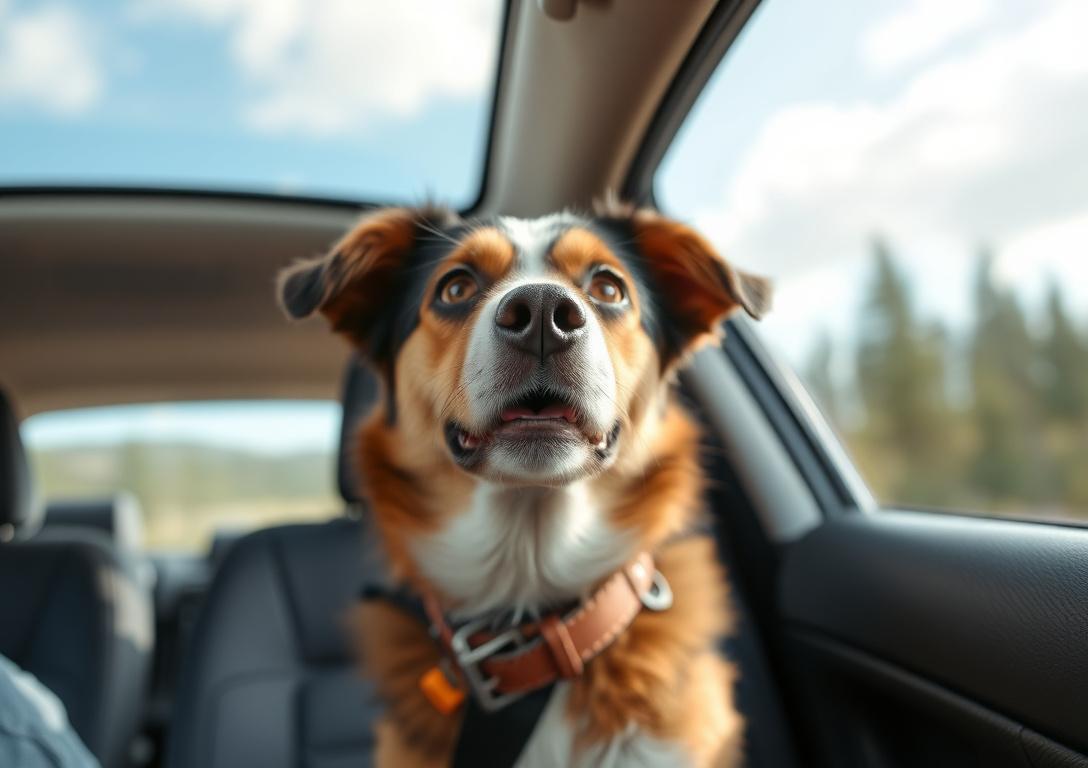
Why Your Dog Scared of Car Rides and How to Fix It: A Complete Guide to Stress-Free Travel
Estimated Reading Time: 6 minutes
Key Takeaways:
- Identify if your dog suffers from behavioral anxiety or physiological motion sickness.
- Use systematic desensitization to slowly acclimate your dog to the vehicle in a stress-free way.
- Utilize veterinary-approved solutions like Cerenia or calming aids like Adaptil pheromones.
- Modify the car environment using crash-tested harnesses and visual blockers to increase stability.
- Break negative associations by incorporating “Fun Destinations” and short micro-trips into your routine.
Is your dog scared of car rides? If the mere sight of your car keys sends your pup running for the hills, or if every trip to the park involves a soundtrack of whines and a backseat covered in drool, you aren’t alone. At Chill Dog Zone, we understand that witnessing your furry best friend in distress is heartbreaking. Whether you are dealing with a tiny puppy or a large breed, the travel anxiety dogs suffer from is one of the most common dog behavior problems owners face today.
The good news is that you don’t have to resign yourself to a lifetime of “staycations.” By understanding the root causes of why a dog scared of car rides reacts that way and implementing a structured desensitization protocol, you can transform your vehicle from a “scary metal box” into a “mobile snack station.” In this comprehensive guide, we will explore practical solutions for Dog Anxiety & Dog Behavior Problems, ranging from physiological fixes to behavioral conditioning that actually works.
Understanding the Root Cause: Motion Sickness vs Anxiety
Before we can solve the problem, we must understand why it’s happening. When a dog scared of car rides exhibits signs of distress, the behavior usually stems from one of two sources: behavioral anxiety or physiological motion sickness. Identifying the specific symptoms of motion sickness vs anxiety in your dog is the first step in finding the right anxiety treatments & remedies.
1. Behavioral Anxiety (The Fear Factor)
For many dogs, the car represents a major anxiety trigger. This is often seen in rescue dogs who associate the car with being taken to a shelter, or in dogs whose only car trips lead to the veterinarian or the groomer.
Symptoms of Anxiety Include:
- Constant panting (even if the car is cool).
- Pacing or inability to settle down.
- Whining, howling, or dog excessive barking.
- Trembling or “freezing” when approaching the vehicle.
- Frantic attempts to escape or jump out of the door.
2. Physiological Motion Sickness
Unlike humans, a dog’s vestibular system (located in the inner ear) is incredibly sensitive. If the brain receives conflicting signals—eyes seeing movement while the body feels stationary—motion sickness occurs. This is especially common in puppy behavior issues, as the inner ear structures responsible for balance aren’t fully developed yet.
Symptoms of Motion Sickness Include:
- Excessive drooling (hypersalivation).
- Repetitive lip licking.
- Lethargy or “shutting down.”
- Vomiting.
The “Cycle of Misery”
Many owners find that their dog’s car phobia is a mix of both. A dog might vomit once due to motion sickness and then develop a panic response because they associate the car with feeling ill. When evaluating motion sickness vs anxiety, you must address both the stomach and the mind to break this cycle.
The Gold Standard: Systematic Desensitization & Counter-Conditioning
If your dog scared of car rides needs help, the most effective long-term solution is systematic desensitization. This involves slowly exposing your dog to the car in a way that doesn’t trigger fear, while using counter-conditioning to change their emotional response.
The golden rule of this protocol is to move at your dog’s pace. If they show signs of stress, you have pushed too far. Stop, go back one step, and try again tomorrow.
Phase 1: The “Stationary Reward” Zone
Don’t even think about turning the engine on yet. Spend time with your dog near the car. If you have a dog scared of car rides that happens to be a large dog breed, they may feel trapped by the size of the vehicle; if they are a small dog breed, the height of the seats might be intimidating.
- The Action: Feed high-value treats like boiled chicken or liver near the car.
- The Goal: Make the car a giant “treat dispenser.” Open the doors and let the dog sniff inside, placing treats on the edge of the seat for them to find.
Phase 2: The Indoor Picnic
Once your dog is comfortable being near the car, it’s time to get inside—with the engine off.
- The Action: Encourage the dog to jump in or lift them inside. Feed the dog their entire dinner inside the stationary car.
- The Practice: Practice “door play.” Close the door for five seconds, then open it and give a reward. Gradually increase the duration of the closed door to 30 seconds, then a minute.
Phase 3: The Vibration Introduction
For many dogs, the sound and vibration of the engine are major anxiety triggers.
- The Action: Sit in the car with your dog and start the engine. Do not put the car in gear.
- The Reward: While the engine is running, offer a long-lasting reward, like a lick mat with peanut butter. The vibration of the engine should become a cue that “something delicious is happening.”
Phase 4: The “Driveway Roll”
This is where the rubber meets the road—literally.
- The Action: Back the car to the end of the driveway and return immediately.
- The Progression: Gradually progress to a short trip around the block. The key is to end the session before the dog becomes nauseous or anxious. If you wait until they whine, you’ve gone too far.
Professional Interventions: Remedies for Travel Anxiety Dogs
Sometimes, Dog Anxiety & Dog Behavior Problems require a helping hand from science. For travel anxiety dogs that suffer from severe nausea, behavioral training alone may fail because physical misery overrides the “good” feelings of treats.
1. Pharmacological Support
If your dog is physically ill, consult your veterinarian about Maropitant (Cerenia). Cerenia is the only FDA-approved medication specifically for canine motion sickness that does not cause sedation. You can learn more about its application at Zoetis Petcare. By preventing the physical sensation of nausea, you allow the behavioral training to actually take hold.
2. Natural Aids and Supplements
For milder cases, consider Nutrition & Supplements designed to calm the nervous system.
- Ginger: A natural anti-nausea remedy that can be given in small, dog-safe ginger snaps or capsules (consult your vet for dosage).
- Adaptil (Pheromones): These sprays mimic the pheromones a mother dog releases to soothe her puppies. Spraying this on the car’s interior or a bandana can significantly reduce dog car anxiety. Visit Adaptil for more information.
- Thundershirts: These vests provide gentle, constant pressure, which has a calming effect on the nervous system, much like swaddling a baby.
Environmental Modifications: Turning the Car into a “Safe Space”
A dog scared of car rides often feels physically unstable or visually overwhelmed. Making the car environment more comfortable can drastically reduce Dog Outdoor Anxiety.
Visual Blocking
Some dogs experience “visual overstimulation.” Seeing trees and cars blur past at high speeds can trigger a panic response in the brain.
The Solution: Use a crate with a breathable cover or a high-walled car seat that prevents the dog from looking out the side windows. This helps them focus on the interior “safe zone” rather than the chaotic world outside.
Safety and Stability
A dog that feels like they are sliding around every time you take a turn will never feel safe.
The Solution: Use a crash-tested dog car harness or a secured crate. This helps the dog feel “grounded” and prevents them from being tossed by the car’s momentum. Proper restraint also prevents other dog behavior problems, such as the dog trying to jump into the driver’s lap.
The “Fun Destination” Rule: Changing the Narrative
One of the biggest reasons a dog scared of car rides continues to struggle is the “Vet/Groomer Predictor.” If 90% of car trips end in a thermometer or a bathtub, your dog has every reason to be anxious.
To fix this, you must prioritize “Micro-Trips” to “Fun Destinations.”
- Drive to a local park just for a 5-minute walk.
- Go through a drive-thru for a “Puppuccino” (a small cup of whipped cream).
- Drive to a friend’s house where they get to play with another dog.
- Drive to the pet store just to pick out a new toy.
Practical Takeaways for Dog Owners
When managing a dog scared of car rides, success requires patience and a plan. Here are the actionable steps you can take starting today:
- Differentiate the Cause: Watch for drooling (sickness) vs. shaking (anxiety).
- Start Small: Don’t even start the car for the first few sessions.
- High-Value Only: Use treats your dog never gets otherwise, like roasted turkey or cheese.
- Gear Up: Invest in a dog car harness for stability and an Adaptil spray for calming scents.
- Consult the Pros: If your dog vomits, ask your vet about Cerenia for dogs.
- Consistency is Key: Five minutes of training every day is better than one hour once a week.
Addressing Breed-Specific Concerns
Regardless of why a dog scared of car rides is anxious, the size of your dog impacts how they experience the car.
- Large Dog Breeds: Often feel cramped in smaller SUVs or sedans. Ensure they have enough head clearance and room to turn around.
- Small Dog Breeds: May feel more secure in a “booster seat” that allows them to see you but keeps them snug and secure.
- Senior Dog Behavior: For older dogs, car anxiety may actually be pain from jumping in or out due to arthritis. Use a ramp to make the transition easier.
- Puppy Behavior Issues: Most puppies grow out of motion sickness as their ears develop, but only if you don’t allow them to develop a fear-based association in the meantime.
Conclusion
When your dog scared of car rides begins to show improvement, it can feel like your whole world is opening up again. By using these anxiety treatments & remedies, you can rebuild your dog’s confidence. Remember, the focus should always be on “incremental wins.” A dog that can sit in a stationary car for 10 minutes without whining is a success story in the making!
At Chill Dog Zone, we are dedicated to providing you with the best solutions for Dog Anxiety & Dog Behavior Problems. By combining medical support, environmental changes, and systematic desensitization, you aren’t just teaching your dog to ride in a car—you are opening up a world of adventure for both of you.
Stop letting a dog scared of car rides hold you back. Start your desensitization journey today, and soon enough, the sound of your car keys will be met with a wagging tail instead of a hiding hound.
FAQ
How can I tell if my dog is carsick or just anxious?
Carsickness usually presents as physical symptoms like excessive drooling, lip licking, and vomiting. Anxiety is more behavioral, involving shaking, whining, pacing, or attempts to escape the vehicle.
What is the best medication for a dog scared of car rides?
For motion sickness, Cerenia (Maropitant) is the gold standard as it prevents vomiting without sedation. For behavioral anxiety, your vet might suggest Trazodone or Gabapentin, alongside natural aids like Adaptil.
How long does it take to desensitize a dog to the car?
There is no set timeline. Some dogs improve in two weeks, while others take months. The key is consistent, short daily sessions that always end on a positive note.
Should I feed my dog before a car trip?
If your dog suffers from motion sickness, it is best to travel on an empty stomach. However, during the training phase, using high-value treats is necessary to build a positive association.
For more tips on managing dog excessive barking, jumping on people, or senior dog behavior, explore our latest articles at chilldogzone.com.