
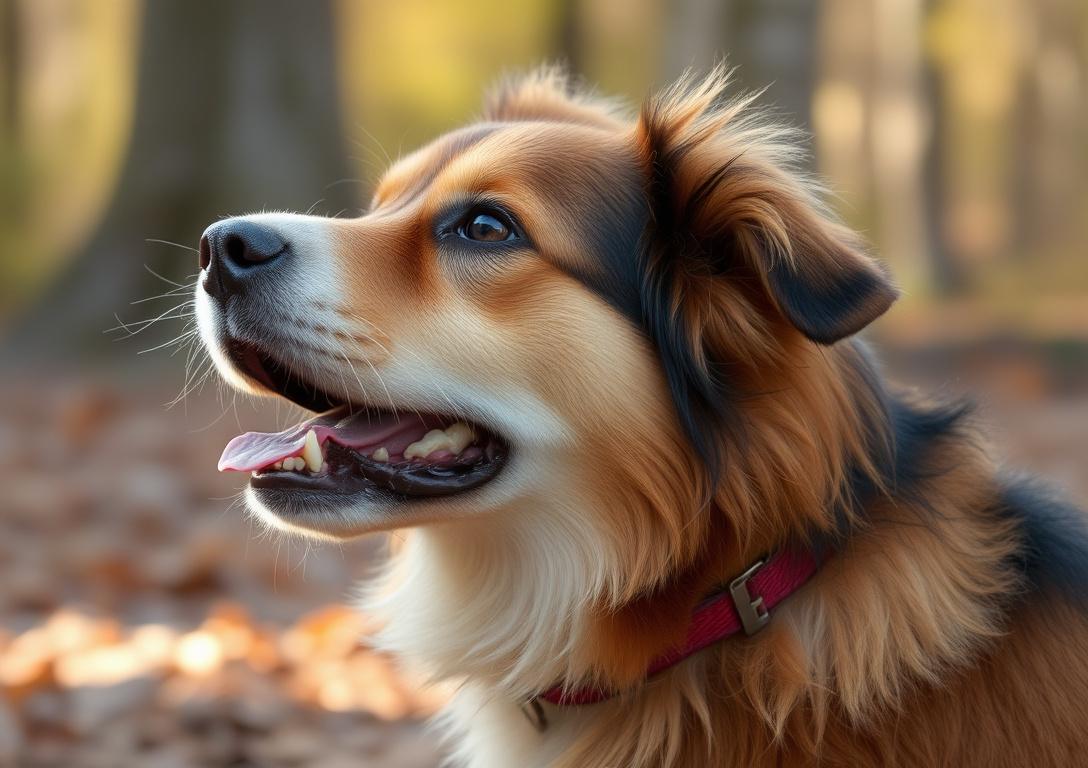
Why Is My Dog Shivering? A Deep Dive into Dog Shaking and Trembling Causes and Practical Solutions
Estimated reading time: 8 minutes
Key Takeaways:
- Identify if shaking is caused by thermoregulation (cold), physiological stress (pain), or emotional triggers (anxiety).
- Understand medical conditions like White Dog Shaker Syndrome and age-related tremors in senior dogs.
- Implement practical calming techniques such as pressure therapy, safe dens, and the “low and slow” vocal approach.
- Recognize “Danger Zone” red flags like seizures, fever, and toxin ingestion that require immediate veterinary intervention.
As a dog owner, there is nothing quite as heart-wrenching as looking down to see your furry best friend trembling. Whether it is a slight vibration or a full-body shudder, the sight often triggers a wave of concern. You immediately begin to wonder: Are they cold? Are they scared? Or is this a sign of something much more serious? At Chill Dog Zone, we understand that your dog’s well-being is your top priority.
Understanding the various dog shaking and trembling causes is the first step toward providing the relief and comfort your canine companion deserves. Shaking is a non-specific clinical sign, meaning it can range from a benign reaction to a chilly morning to a life-threatening medical emergency.
In this comprehensive guide, we will break down the physiological, emotional, and environmental factors that lead to tremors. Whether you are dealing with Small Dog Breeds Anxiety, Senior Dog Behavior changes, or a sudden bout of Dog Outdoor Anxiety, this article provides the practical, research-backed solutions you need to restore peace to your household.
Checklist: Is Your Dog Cold, in Pain, or Scared?
When you notice your dog vibrating, the most important thing you can do is observe the context. Before rushing to conclusions, use this diagnostic checklist to categorize the dog shaking and trembling causes into three main “buckets.” This helps you determine if you can handle the situation at home or if it’s time to call the vet.
Category 1: Is it Cold? (Thermoregulation)
The most basic reason for a dog to shake is thermoregulation. Just like humans, dogs shiver to create heat through rapid muscle contraction. While thermoregulation is one of the most common dog shaking and trembling causes, it is often overlooked in milder climates. You might ask, why is my dog shivering if the air feels fine to me?
- Physical Signs: The shaking is a rhythmic shivering designed to generate body heat. You might notice the dog curled in a tight ball to conserve surface area.
- Behavioral Clues: The dog is actively seeking heat sources. Are they trying to burrow under blankets, standing near a floor heater, or pressing against your legs for warmth?
- Environmental Check: Check your thermostat. Is the ambient temperature below 45–50°F? Keep in mind that Small Dog Breeds Anxiety can sometimes be exacerbated by the cold, as breeds like Chihuahuas or Italian Greyhounds have very little body fat and thin coats.
- The Test: This is the easiest cause to rule out. Put a sweater on your dog or bring them into a warm room. If the shaking stops within 15–20 minutes, it was simply a temperature issue.
Category 2: Is it Pain or Illness? (Physiological Stress)
If the environment is warm and your dog is still shaking, they may be experiencing “physiological stress”—essentially, their body is reacting to internal discomfort or a medical condition. Medical issues represent some of the most serious dog shaking and trembling causes.
- Physical Signs: Shaking caused by pain is often accompanied by heavy panting (even if the room is cool), a “roached” or hunched back, and stiff movement. According to research from the American Kennel Club (AKC), signs of pain in dogs can be subtle, but a tense abdomen is a major red flag.
- Behavioral Clues: Look for a reluctance to jump on furniture, a decreased appetite, or “guarding” a specific body part. If your dog snaps when you touch their hip or back, they are likely trembling from acute pain.
- Systemic Shaking: If the shaking is accompanied by vomiting, diarrhea, or seizures, it may indicate toxicity. Common household toxins include chocolate, xylitol (found in sugar-free gum), or snail bait.
- Checklist Red Flag: If the dog has glazed eyes or a rigid posture, this is not typical anxiety. It requires immediate veterinary intervention.
Category 3: Is it Fear or Anxiety? (Emotional Response)
Emotional shaking is a manifestation of the “fight or flight” response. Emotional triggers are among the most frequent dog shaking and trembling causes that owners encounter in daily life.
- Physical Signs: Look for the “whale eye” (showing the whites of the eyes), ears pinned back, a tucked tail, and repetitive lip licking or yawning. These actions are common fear response physical signs that indicate high stress levels.
- Behavioral Clues: Pacing, hiding behind the owner, or trying to “dig” into a corner or under furniture.
- Anxiety Triggers: Identify environmental stressors. Is there a thunderstorm? Are there fireworks? Is there a new guest in the house, or did you just pull into the vet’s parking lot? Dog Outdoor Anxiety often manifests as shaking the moment you step onto a busy street.
- The Test: Does the shaking stop when the trigger is removed? If the trembling ceases once the vacuum cleaner is turned off, you are dealing with a behavioral issue.
Why Is My Dog Shaking? Deep Dive into Medical Causes
Beyond the basic checklist, there are several specific medical conditions that cause tremors. When investigating dog shaking and trembling causes, it is essential to look at underlying health conditions and how they present.
Dog Shivering vs. Shaking: What’s the Difference?
While the terms are often used interchangeably, “shivering” is usually associated with cold or fear, whereas “tremors” are often neurological. Understanding why is my dog shivering vs. why they are shaking can help narrow down the diagnosis. Tremors are involuntary, rhythmic muscle contractions that can affect one part of the body (like the head) or the entire body.
White Dog Shaker Syndrome
Properly known as Generalized Tremor Syndrome (GTS) or Steroid-Responsive Tremor Syndrome, this was first noticed in small white breeds like Maltese and West Highland White Terriers. However, it can affect any dog of any color or size. GTS causes full-body tremors in young dogs and is believed to be an immune-mediated inflammation of the central nervous system. You can read more about this condition on the VCA Animal Hospitals website.
Senior Dog Behavior and Shaking
If you have an older pet, Senior Dog Behavior often includes leg tremors. This is frequently caused by muscle weakness or arthritis. As dogs age, their muscle mass decreases, and the effort of standing can cause their legs to shake. However, it can also be a sign of Canine Cognitive Dysfunction (dementia), where the dog feels lost or confused in their own home.
Puppy Behavior Issues
In contrast, Puppy Behavior Issues involving shaking are often related to over-stimulation or “excitement shaking.” Puppies have immature nervous systems. When they get extremely excited about a treat or a game, their bodies may physically vibrate. While usually harmless, it’s important to ensure they aren’t becoming over-aroused, which can lead to Jumping on People or Dog Excessive Barking.
How to Stop a Dog from Shaking Due to Anxiety
If you’ve ruled out cold and medical emergencies, you are likely looking at a behavioral problem. At Chill Dog Zone, we believe in Anxiety Treatments & Remedies that are compassionate and proactive. Here is how to calm a scared dog using practical, proven techniques.
1. Create a “Safe Den”
When a dog is overwhelmed by Anxiety Triggers, they need a “reset” button. Move your dog to a small, interior room without windows, such as a walk-in closet or a laundry room. Use a crate covered with a heavy blanket or a high-walled “donut” bed. Use “white noise” or classical music to drown out exterior triggers like thunder or construction.
2. Pressure Therapy
One of the most effective Dog Anxiety solutions is the use of gentle pressure. This is the same principle behind swaddling a human infant. Use a “Thundershirt” or a snug-fitting dog vest. The constant, gentle pressure triggers the release of oxytocin and endorphins, lowering the heart rate and reducing the physical shaking.
3. The “Low and Slow” Approach
Your reaction to your dog’s shaking is critical. Many owners inadvertently reinforce the behavior by using high-pitched, frantic “it’s okay!” voices. Speak in low, calm, rhythmic tones. Instead of hugging, place a steady, firm hand on their shoulder. This provides a sense of grounding without overwhelming them.
4. Pheromone Support and Nutrition & Supplements
For long-term management of Dog Behavior Problems, consider internal and external chemical support. Utilize Adaptil diffusers or sprays. These mimic the pheromones a mother dog produces to calm her puppies. Research from the College of Veterinary Medicine suggests these can significantly reduce stress-related behaviors. Certain supplements like L-theanine, Melatonin, or CBD can help take the edge off. Always consult your vet before adding supplements, especially for Large Dog Breeds Anxiety.
5. Distraction and Lick Mats
Licking is a natural self-soothing behavior for dogs. Provide a lick mat or a stuffed Kong with peanut butter (check that it is Xylitol-free!) or wet food. This redirects their focus from the trigger to a rewarding activity.
Managing Breed-Specific Shaking
Not all shaking is created equal across the breed spectrum, and different breeds can exhibit different dog shaking and trembling causes.
- Small Dog Breeds Anxiety: Small dogs are notorious shakers. This is often a combination of high metabolism, rapid loss of body heat, and a more reactive nervous system. Ensuring they have a consistent “safe space” and proper winter gear is essential.
- Large Dog Breeds Anxiety: In larger breeds, shaking is often more localized. If a large dog is shaking their hind legs, it is a significant sign of pain or hip dysplasia. Large breeds are also prone to Dog Outdoor Anxiety, where the sheer scale of the environment (loud trucks, crowds) can cause them to freeze and tremble.
When to Call the Vet: The “Danger Zone”
While we strive to provide at-home solutions, your dog’s safety is paramount. Some dog shaking and trembling causes require immediate emergency care. Seek help if you notice:
- Fever: If shaking is accompanied by a dry, hot nose, lethargy, and warm ears.
- Incessant Shaking: If the trembling lasts for more than 1–2 hours without a clear trigger.
- Toxins: If you suspect ingestion of chocolate, grapes, onions, or chemicals. Shaking is often the first sign of poisoning. Refer to the ASPCA Animal Poison Control for immediate guidance.
- Seizures: There is a difference between a tremor (conscious) and a seizure (loss of consciousness, paddling legs). Seizures are always a medical emergency.
Practical Takeaways for Dog Owners
- Rule Out Temperature First: Always try a sweater or a warm room before panicking.
- Observe the Context: Use your phone to record the shaking to show your vet.
- Audit Your Environment: Look for Anxiety Triggers like new scents, sounds, or schedule changes.
- Don’t Punish Shaking: Never scold a dog for shaking or for Dog Excessive Barking during an episode.
- Invest in Comfort: Tools like Thundershirts and Lick Mats are small investments with high returns.
Conclusion
At www.chilldogzone.com, we know that a shaking dog is a sign of a dog in need of help. By understanding the common dog shaking and trembling causes, you are no longer a helpless observer; you are an empowered advocate for your pet’s health. Remember, whether you are dealing with Puppy Behavior Issues or the complex needs of a senior, patience and observation are your best tools. Keep your dog’s environment “chill,” stay attuned to the signs of pain in dogs, and always prioritize compassion over correction.
Disclaimer: This article is for informational purposes only and does not replace professional veterinary advice. If your dog is in distress, please contact your local veterinarian or emergency animal clinic immediately.
Frequently Asked Questions
Why is my dog shivering even though it’s warm in the house?
If the room is warm, your dog may be shaking due to emotional stress (anxiety/fear) or physiological stress (pain/illness). Look for other symptoms like panting, hiding, or a hunched back to narrow down the cause.
Can anxiety cause a dog to shake uncontrollably?
Yes, a severe fear response can lead to full-body trembling. This is often triggered by loud noises like thunderstorms or fireworks. Using pressure therapy and a “safe den” can help mitigate these episodes.
What is White Dog Shaker Syndrome?
It is a condition that causes full-body tremors, primarily in small white dog breeds, though it can affect any dog. It is believed to be caused by an immune-mediated inflammation of the nervous system and requires veterinary treatment.
When should I worry about my senior dog’s leg tremors?
While leg tremors can be a sign of muscle weakness or arthritis in older dogs, they should be evaluated by a vet if the dog seems in pain, has trouble standing, or shows signs of confusion (Canine Cognitive Dysfunction).