
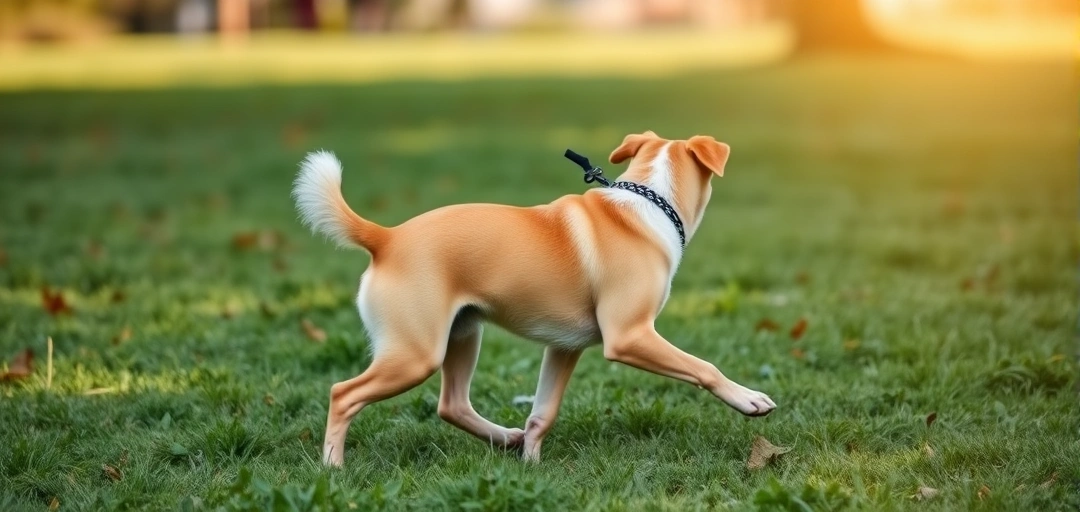
Why Is My Dog Pacing Back and Forth? Expert Solutions for Anxiety, Pain, and Senior Dog Behavior
Estimated Reading Time: 8 minutes
Key Takeaways
- Repetitive pacing (psychomotor agitation) is a crucial signal of inner distress, ranging from high anticipation to severe underlying health crises.
- Acute pacing is usually tied to Anxiety Triggers (noise, separation) and stops when the trigger is removed; it requires behavioral modification.
- Chronic, compulsive, and restless dog pacing back and forth—especially in the evening (“sundowning”)—is a major red flag for conditions like Cognitive Dysfunction Syndrome (CDS) or chronic pain.
- Always prioritize a comprehensive veterinary workup for chronic pacing to rule out medical issues (pain, metabolic diseases) before focusing solely on behavior.
- Managing pacing requires a multi-modal approach: specialized supplements, environmental safety, routine maintenance, and targeted Anxiety Treatments & Remedies.
As dedicated dog owners in the US, we understand that changes in routine or behavior can immediately trigger concern. One of the most subtle yet worrying shifts in canine behavior is repetitive walking—the familiar sight of your dog pacing back and forth. This seemingly simple movement can signal anything from harmless anticipation of dinner to severe, underlying health crises like chronic pain or cognitive decline.
At ChillDogZone, we specialize in addressing Dog Anxiety and complex Dog Behavior Problems by providing practical, compassionate, and effective solutions that work in the real world. If you’ve observed your dog pacing back and forth relentlessly along a fence line, up and down the hallway, or around the living room, it’s a crucial signal that requires your attention. Pacing is not just restlessness; it is often a visible manifestation of inner distress or disorientation.
Understanding the root cause of this repetitive movement is the first and most critical step in providing relief for your beloved companion.
Dog Pacing Back and Forth: Understanding Psychomotor Agitation
The technical term for repetitive, non-purposeful walking like this is psychomotor agitation. It is characterized by continuous locomotor activity—your dog is moving, but they are not moving to a specific goal, like going outside or finding a toy.
It is vital to properly define what you are seeing, as the phenomenon of your dog pacing back and forth can be confused with other, more serious movement disorders:
- Pacing (Agitation): Repetitive walking back and forth, often frantic or restless, sometimes accompanied by panting unrelated to heat, or inability to settle.
- Compulsive Pacing/Wandering (a sign of compulsive dog behaviors): Repetitive movement often disconnected from the immediate environment. This type of compulsive dog behaviors is heavily associated with aging and Cognitive Dysfunction Syndrome (CDS).
- Circling: Walking tightly and consistently in one direction (unilaterally). If your dog suddenly starts circling, this is a serious neurological red flag—it suggests a vestibular issue, inner ear infection, stroke, or mass lesion, and warrants an immediate trip to the emergency vet (Source: Veterinary Neurology and Neurosurgery Foundation).
Once you rule out tight, consistent circling, the dog pacing back and forth you observe falls into two primary categories: acute stress responses or chronic medical/neurological issues.
Part I: Acute Pacing – Stress, Anticipation, and Immediate Anxiety Triggers
For many dogs—especially younger and middle-aged animals—observing your dog pacing back and forth is often an acute stress response. It is a way of channeling heightened emotional states, whether positive or negative, when they cannot otherwise resolve the feeling.
When stress-related, pacing is often short-lived and ceases the moment the trigger is removed or the anticipated event occurs. This category of pacing is deeply tied to Anxiety Triggers and is the most common form we see addressed through behavioral modification.
1. Anxiety and Fear-Based Pacing
One of the most frequent causes of seeing your dog pacing back and forth acutely is fear or separation anxiety. The dog is in a state of hyper-vigilance or panic, and the repetitive movement acts as a coping mechanism to dissipate pent-up energy.
- Separation Anxiety: Dogs suffering from separation anxiety often begin frantic dog pacing back and forth immediately before the owner departs (as cues like grabbing keys are recognized) or upon confinement. This may be accompanied by destructive behavior, excessive salivation, or Dog Excessive Barking.
- Noise Phobia (Thunderphobia): During storms, fireworks, or loud construction, dogs prone to sound sensitivity will exhibit dog pacing back and forth, tremble, hide, and pant excessively. This kind of Dog Anxiety is situational but can be severely debilitating.
Practical Solution: Managing Anxiety Triggers
For stress-induced pacing, the solution lies in desensitization and counter-conditioning, supported by environmental management.
- Create a Safe Haven: Ensure your dog has a designated, sound-dampened “chill zone” they can retreat to when external Anxiety Triggers occur. Use white noise machines or classical music to mask scary sounds.
- Behavioral Modification for Separation Anxiety: Work with a behavior specialist to gradually introduce departure cues. Never make departures or arrivals a big deal. The goal is to make the experience of being alone boring and predictable.
- Anxiety Treatments & Remedies: Consider proven aids. Calming jackets (like ThunderShirts), pheromone diffusers (DAP), and high-quality calming supplements can support behavior training. These can be particularly effective for managing Small Dog Breeds Anxiety or Large Dog Breeds Anxiety, where physical management is often challenging.
2. Anticipation and High Arousal Pacing
Dog pacing back and forth isn’t always negative; sometimes it’s the result of extreme excitement or anticipation.
- Mealtime/Walk Time: When you reach for the leash or the food bowl, a high-energy dog might start pacing in place, spinning, or even exhibiting undesirable behaviors like Jumping on People out of sheer excitement.
- Unresolved Energy: If your dog hasn’t had adequate physical or mental stimulation, the pent-up energy can manifest as relentless dog pacing back and forth. They are literally pacing because they don’t know what to do with their bodies.
Practical Solution: Redirection and Energy Management
Acute dog pacing back and forth driven by excitement is a management issue. You must teach your dog an incompatible, calm behavior.
- Wait and Settle: If your dog pacing back and forth before walks, immediately stop preparing for the walk. Wait until they offer a sit or a down, even for a moment, and then proceed. This teaches impulse control.
- Enrichment Before Excitement: Ensure daily exercise is balanced with mental enrichment. Puzzle toys, snuffle mats, and training sessions tire the brain just as effectively as running, reducing overall arousal levels throughout the day.
3. Acute Physical Discomfort (Pain or Urgent Need)
Pacing combined with restlessness, frequent position changes, and an inability to settle can be an emergency sign.
- Gastrointestinal Distress: If pacing is frantic and accompanied by excessive panting, drooling, or unproductive retching, seek emergency veterinary care immediately. This is a symptom of severe abdominal pain and could signal bloat (Gastric Dilatation-Volvulus), which is life-threatening (Source: American Veterinary Medical Association).
- Urination/Defecation Need: A dog that paces frantically near the exit door is often signaling an urgent need to eliminate, especially older dogs or those with incontinence issues.
Part II: Chronic Pacing – Medical Red Flags and Senior Behavior
If the dog pacing back and forth is relentless, compulsive, random, and seems disconnected from external Anxiety Triggers, you are likely dealing with an internal, medical, or neurological issue. Chronic pacing is a massive red flag and requires a comprehensive veterinary workup. This is where our expertise in holistic canine care truly comes into play—you must rule out the physical before treating the behavior.
1. Cognitive Dysfunction Syndrome (CDS)
The most common cause of relentless, compulsive dog pacing back and forth in older dogs is Cognitive Dysfunction Syndrome (CDS), often referred to as canine Alzheimer’s or senility. This condition affects up to 68% of dogs aged 15–16 years old (Source: PetMD, citing veterinary research).
Pacing associated with CDS is characterized by disorientation and loss of spatial awareness. The dog often walks along walls, gets “stuck” behind furniture, or continues pacing even when called.
The Crucial Phenomenon: Sundowning
For owners of senior dogs, the term “sundowning” is critical to recognize. The dog pacing back and forth associated with CDS often significantly intensifies in the late afternoon and evening hours (the “sundowning” period), severely disrupting the entire household’s sleep cycle. The dog may wander, vocalize, and pace all night, unable to settle due to the breakdown of their internal clock and spatial awareness.
CDS Indicators (The DISHA Acronym)
If your senior dog pacing back and forth, look for other signs of CDS:
- Disorientation (getting stuck, not recognizing familiar people).
- Interactions (altered—seeking less or excessive attention).
- Sleep/wake cycle changes (sundowning).
- House soiling (accidents despite being house trained).
- Activity level changes (aimless wandering).
Addressing chronic dog pacing back and forth due to CDS requires veterinary intervention, environmental modification, and often nutritional support.
2. Chronic Pain and Restlessness
Chronic, low-grade pain—particularly from conditions like severe arthritis, degenerative joint disease, or spinal issues common in aging Large Dog Breeds Anxiety sufferers—can manifest as relentless dog pacing back and forth.
The dog paces because they cannot get comfortable. They are trying to find a position that relieves the pressure or dull ache but are unable to settle down. This chronic restlessness is a subtle but powerful indicator of ongoing pain that needs pharmaceutical management and supportive care.
3. Metabolic and Endocrine Disease
Certain underlying medical conditions disrupt normal bodily regulation and can lead to increased anxiety and restlessness, prompting your dog pacing back and forth.
- Cushing’s Disease (Hyperadrenocorticism): This hormonal disorder causes high cortisol levels, which often results in generalized restlessness, increased panting, and pacing. Owners usually also note increased thirst (polydipsia) and urination (polyuria), along with changes to the skin and coat.
- Hyperthyroidism: While less common in dogs than cats, an overactive thyroid can cause hyper-agitation and nervousness, resulting in excessive movement.
Part III: Differentiating Stress Pacing vs. Neurological Pacing
The key to providing the right solution for your dog’s pacing lies in making the correct diagnosis regarding your dog pacing back and forth. Use the following framework to help determine whether the issue is acute anxiety or a chronic medical/neurological condition:
| Feature | Stress/Anxiety Pacing | Neurological/Compulsive Pacing (CDS) |
|---|---|---|
| Trigger | Immediate, identifiable trigger (noise, departure, or anticipation). | Often absent or non-specific; usually internal (disorientation). |
| Duration | Acute, short-lived; stops when the trigger is removed or resolution occurs. | Chronic, long-term; often relentless and unresponsive to distraction. |
| Time of Day | Variable, dependent on the trigger. | Often significantly worse at night/evening (“sundowning”). |
| Awareness | Dog is aware of the environment; may seek owner interaction or direction. | Dog may appear detached, unaware of bumping into objects, or unresponsive to name or commands. |
| Accompanying Symptoms | Panting related to stress, lip-licking, tucked tail, excessive yawning, anxiety signs in dogs like excessive barking. | Disorientation, house soiling, changes in interaction, altered sleep cycles (DISHA). |
Part IV: The ChillDogZone Action Plan—Practical Solutions That Work
If you observe chronic or worrying dog pacing back and forth behavior, the first step is always clinical assessment. Do not attempt to treat suspected neurological or medical pacing with behavioral modification alone.
1. Veterinary Intervention: Rule Out Medical Causes First
Chronic dog pacing back and forth is a Red Flag requiring professional diagnosis.
- Comprehensive Exam: Your veterinarian must perform a physical exam, bloodwork (to check for metabolic issues like Cushing’s or thyroid problems), and potentially imaging (X-rays) to rule out hidden chronic pain (like deep joint degeneration). (Source: American College of Veterinary Behaviorists).
- Pain Management: If chronic pain is diagnosed, effective pain management (NSAIDs, joint supplements, physical therapy) often dramatically reduces restless dog pacing back and forth behavior, as the dog can finally settle comfortably.
2. Solutions for Cognitive Dysfunction Syndrome (CDS)
If the diagnosis points toward CDS, a multi-modal approach is necessary to improve quality of life and manage the relentless Senior Dog Behavior issues like dog pacing back and forth and sundowning.
A. Environmental Enrichment and Safety
The wandering dog is prone to accidents and disorientation.
- Prevent Disorientation: Block off small, dark spaces where the dog could get stuck (e.g., behind the toilet, under tight furniture). Use gates to confine them to safe, familiar rooms, especially at night.
- Maintain Routine: A predictable daily schedule (feeding, walking, sleeping) is crucial. Routine helps anchor dogs suffering from temporal confusion.
B. Nutrition & Supplements
Dietary support can slow the progression of cognitive decline and improve brain function.
- Antioxidants and Omega-3s: Diets rich in antioxidants and medium-chain triglycerides (MCTs, often derived from coconut oil) have shown promise in improving cognitive function. Ensure your dog’s food is formulated for Senior Dog Behavior support.
- Specific Supplements: Consult your vet about specialized supplements (e.g., SAMe, s-adenosylmethionine) or prescription diets designed to support brain health (Source: Purina Veterinary Diets).
C. Pharmacological Support
To manage severe anxiety and sleep disruption caused by sundowning, your vet may prescribe medications like Selegiline (Anipryl), which helps manage the symptoms of CDS, or anxiety medications to restore normal sleep cycles.
3. Advanced Behavior Modification for Anxiety Pacing
For acute, stress-induced dog pacing back and forth, the key is to address the underlying emotional state (fear, arousal). This takes consistency and understanding, making it one of the core elements of successful Anxiety Treatments & Remedies.
- Systematic Desensitization: If the dog pacing back and forth due to noise phobia (Dog Outdoor Anxiety), slowly introduce the noise at an extremely low volume while pairing it with high-value rewards. Gradually increase the volume over weeks or months.
- The Power of Calm: Practice the “place” command or “mat training.” This teaches the dog that lying down on a designated spot is highly rewarding. If you see the early signs of your dog pacing back and forth, redirect them to their mat. This provides a tangible, positive alternative to the restless movement.
- Managing High Arousal Behaviors: If your young Large Dog Breeds Anxiety sufferer is exhibiting dog pacing back and forth and excitement behaviors like Jumping on People, increase structured exercise (not just running around, but purposeful activities like scent work or trick training) before the anticipated event to bring their baseline arousal level down.
Conclusion: Your Dog Needs Compassionate Investigation
The sight of your dog pacing back and forth is never something to ignore. Whether it signals simple anxiety due to an approaching storm or points to the complexities of Senior Dog Behavior changes like CDS, this repetitive movement is a call for help.
At ChillDogZone, we empower you to be the best advocate for your dog’s health. Start by observing the context, duration, and associated symptoms of the dog pacing back and forth. If the pacing is chronic, relentless, or occurs at night, schedule that veterinary appointment immediately. By addressing the root cause—be it behavioral, medical, or neurological—you can restore comfort, routine, and peace to your home, ensuring your dog can truly settle into the Chill Zone.
FAQ: Frequently Asked Questions About Dog Pacing
- Why do dogs pace at night specifically?
- When is dog pacing an emergency sign?
- Can pain cause my dog to pace?
- How is pacing different from circling?
Why do dogs pace at night specifically?
Pacing that worsens at night is typically associated with “sundowning,” a symptom of Cognitive Dysfunction Syndrome (CDS) in senior dogs. It results from the breakdown of their internal clock and spatial awareness, causing disorientation and restlessness when the light fades.
When is dog pacing an emergency sign?
Pacing combined with frantic restlessness, excessive drooling, unproductive retching, or a distended abdomen requires immediate emergency veterinary care. These are classic signs of Gastric Dilatation-Volvulus (bloat), a life-threatening condition.
Can pain cause my dog to pace?
Yes. Chronic, low-grade pain, especially from conditions like arthritis or degenerative joint disease, often manifests as restlessness and pacing. The dog is unable to settle because they cannot find a comfortable position to relieve the underlying ache.
How is pacing different from circling?
Pacing is repetitive movement back and forth along an arbitrary path. Circling is walking consistently and tightly in one direction (unilaterally). Circling is a severe neurological sign (suggesting stroke or vestibular issues) that requires immediate veterinary attention, whereas pacing is more often linked to agitation, anxiety, or cognitive decline.