
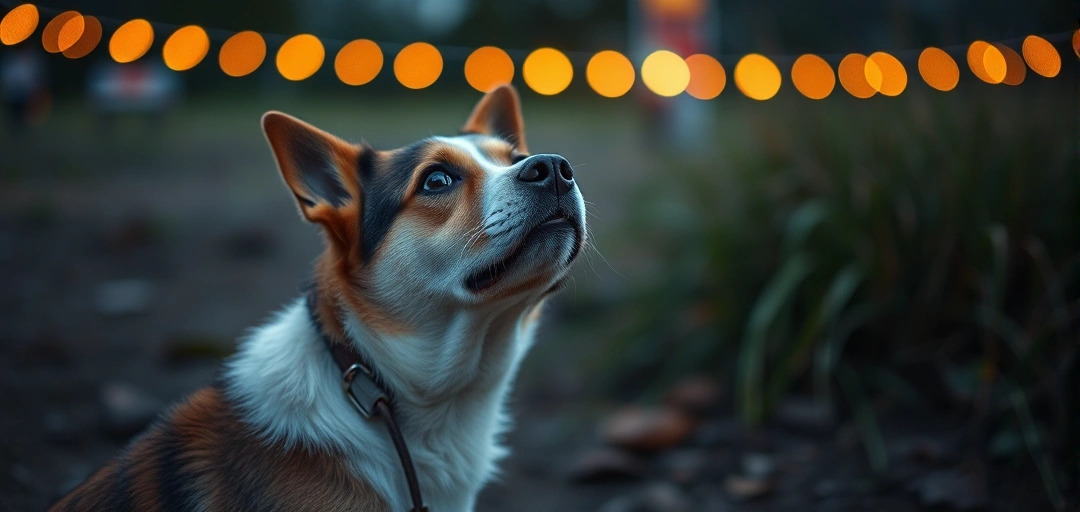
The Complete Guide to Helping Your Dog Scared of Loud Noises: Practical, Immediate Solutions for Noise Phobia
Estimated reading time: 7–8 minutes
Key Takeaways
- Acute Stress Management is Paramount: When loud noise begins, focus exclusively on environmental control and safety to prevent panic escalation, as training is impossible during a crisis.
- Create a Strategic Safe Den: Designate an interior room (e.g., basement, closet) with minimized windows and use passive soundproofing. Never lock a panicking dog in a crate.
- Master Auditory Masking: Use Brown Noise or specific calming classical music to create a consistent acoustic buffer, effectively obscuring the sharp peaks and rumbles of thunder or fireworks.
- Comfort is NOT Reinforcement: Comforting a panicking dog offers security and safety; you cannot reinforce a genuine phobia.
- Long-Term Strategy: For permanent relief, acute management must be paired with professional Desensitization and Counter-Conditioning (DCC) during quiet periods.
Dealing with canine anxiety is one of the most challenging aspects of dog ownership. At Chill Dog Zone, we understand that few things are as heartbreaking as watching your best friend tremble uncontrollably, pace frantically, or hide desperately under the threat of sudden, unexpected noise.
Whether it’s the booming crack of a summer thunderstorm, the celebratory explosion of New Year’s or Fourth of July, or the relentless hammering from neighborhood construction, the reality is stark: if you own a dog scared of loud noises, you will likely, at some point, encounter this struggle. Here are some essential fireworks anxiety tips to help you manage.
This condition, formally known as Noise Phobia or noise aversion in dogs, is far more common than you might think, affecting nearly half of the entire canine population. Crucially, research shows that untreated phobias do not fade; they typically worsen with each successive exposure. The panic deepens—a process called sensitization—meaning the fear response becomes stronger and triggers become more pervasive.
As experts in providing effective solutions for a dog scared of loud noises, this comprehensive guide focuses exclusively on Acute Stress Management. When the noise starts, training is impossible. The immediate goal is compassionate, strategic environmental control designed to minimize auditory triggers, prevent panic escalation, and provide your dog with safe refuge until the noise passes.
Understanding and Managing Your Dog Scared of Loud Noises
When a sudden sound hits, your dog’s nervous system goes into fight-or-flight mode. This is an instinctual response, not disobedience. Owners often worry that petting or comforting a panicking dog reinforces the fear, but this is a common misconception. You cannot reinforce a genuine phobia; you can only offer safety and security.
Our strategy is organized into three critical phases that must be implemented before or at the first sign of a loud noise event.
Phase 1: Creating the Strategic “Safe Den” or Soundproofed Refuge
The single most important practical solution you can offer a dog scared of loud noises is a designated, highly accessible, and strategically managed safe space. This refuge is the physical heart of your Acute Stress Management plan.
A. Location Selection: The Key to Sound Reduction
Sound waves travel through air and vibrate solid materials. To minimize the impact of external noises, you must select a room with minimal contact with the outside world.
- Interior Rooms are often ideal: Choose rooms within your home that have the fewest exterior walls and windows. Basements (if dry and comfortable), interior hallways, large walk-in closets, or utility rooms usually fit this criteria. These spaces inherently reduce the transmission of sound waves and block visual triggers like lightning flashes or the strobe effect of fireworks.
- Avoid Windows: Windows are the weakest link in sound defense. If you must use a room with a window, ensure it faces away from the primary noise source, if possible.
Crucial Warning Regarding Crates:
While many dogs consider their crate a safe den, never lock a distressed dog in a crate during a panic attack. This confinement can dramatically increase their panic, leading to extreme distress, self-injury, and the development of crate aversion. If your dog is well-crate-trained, place the crate inside the larger, prepared safe room, allowing them the choice to enter and leave freely. The safe den should always be a place of choice, not constraint, especially for a dog scared of loud noises.
B. Passive Soundproofing (Immediate & Low-Cost)
When preparing a safe den for a dog scared of loud noises, the first step involves utilizing existing household materials to quickly reduce sound penetration:
- Seal the Gaps: Ensure all windows and doors are tightly closed. Place dense towel drafts or dedicated draft stoppers underneath doors leading to the exterior or noisy hallways. Sound will seep through any tiny gap.
- Visual Blocking: Visual stimuli are major Anxiety Triggers. Draw heavy drapes, lower blinds, or use blackout curtains. This minimizes the impact of bright flashes from lightning or fireworks, which often precede the noise and trigger the panic response.
- Low-Tech Sound Absorption: Use existing heavy furniture. Pushing a large, stuffed armchair, heavy bookshelf, or cabinet against an exterior wall can absorb some sound vibration through mass.
C. Active Soundproofing (Investment Strategies for Severe Phobias)
For dog scared of loud noises with severe Thunderstorm Phobia or recurring Fireworks Anxiety, investing in true sound dampening materials is a life-changing solution that prevents the phobia from escalating further.
- Acoustic Materials: Moving blankets or specialized sound-dampening curtains are heavy and dense, designed to absorb acoustic energy rather than just blocking it. Hang these over windows and doors in the safe room. For advanced sound disruption, consider applying Acoustic Foam Panels to the interior walls of the den space. These panels disrupt and scatter sound waves, significantly reducing echo and reverberation, which can make loud noises sound even more threatening.
- Floor Treatment: Hard surfaces like hardwood, tile, or concrete amplify low-frequency vibrations—the very type of boom produced by thunder and fireworks. Place thick area rugs, layered blankets, or carpeting in the safe space to dampen vibrations transmitted through the floor.
This process of Safe Den Creation ensures that when the noise begins, your dog scared of loud noises has a structurally protected environment ready for them.
Phase 2: Mastering Auditory Masking (The Sound Buffer Strategy)
Even the most soundproofed room cannot block 100% of the low-frequency vibrations that accompany events like thunder, especially when dealing with a highly sensitive dog scared of loud noises. This is where Auditory Masking becomes indispensable. Masking involves introducing a consistent, non-threatening background sound to obscure the sharp peaks and low rumbles of the triggering event.
A. White Noise and Brown Noise Machines
True white noise (which contains all audible frequencies played at an equal intensity) or brown noise (which focuses on lower, deeper frequencies) can create a powerful acoustic buffer for a dog scared of loud noises.
- Why Brown Noise is Often Better: Thunder and fireworks are predominantly low-frequency events. Brown noise is often perceived as deeper and richer than white noise and can be more effective at masking these low-frequency booms, creating a more uniform acoustic environment.
- Placement and Volume: Place the masking device (machine, speaker, or dedicated system) inside the safe den. The volume must be sufficient to compete with the external noise without being so loud that it causes the dog distress. It should be audible enough to “fill the gaps” left by the muffled external noise. Always test the volume beforehand during a quiet time to gauge your dog’s comfort level.
B. Alternative Masking Sounds
If a dedicated white noise machine isn’t available, other consistent sounds can be effective for a dog scared of loud noises:
- Calming Classical Music: Studies have shown that certain types of classical music, particularly those specifically arranged for dogs (such as those recommended by Through a Dog’s Ear), can lower heart rate and reduce stress. The key is to choose calming arrangements that lack sudden dynamic shifts or aggressive instruments.
- Television or Radio Dialogue: Consistent human dialogue from a television show or radio program can be very effective in obscuring sharp external sounds. Choose content that does not feature its own jarring sounds (e.g., avoid action movies with explosions).
- Caution with Nature Tracks: Be extremely careful with “calming nature sounds,” as many include rain or distant thunder which could inadvertently trigger panic.
This deliberate introduction of controlled sound helps the nervous system filter out the alarming spikes of external noise, reducing the overall stress load.
Phase 3: Immediate Comfort Aids & Supplemental Support
While environmental control manages the sound, physical aids provide immediate, physiological relief for a dog scared of loud noises by communicating safety and reducing the physical manifestations of anxiety. These tools are critical components of a holistic Anxiety Treatments & Remedies plan.
1. Pressure Wraps (ThunderShirts)
Pressure wraps apply gentle, constant pressure around the dog’s torso, similar to swaddling an infant or receiving a deep-pressure massage. This pressure has a demonstrable calming effect on the nervous system, which helps reduce physical symptoms like trembling and pacing.
- How to Use: Introduce the pressure wrap during a non-stressful time. Practice putting it on and taking it off so that when the noise starts, the wrap itself is not associated with the panic. It must be worn snugly to be effective.
2. Pheromones and Aromatherapy
Synthetic Dog Appeasing Pheromones (DAP, often sold as Adaptil) mimic the natural calming pheromone released by a mother dog while nursing.
- Application: Use a DAP diffuser placed directly in the safe den. The pheromones provide chemical signals of safety and comfort continuously throughout the event, helping to lower the overall physiological arousal associated with the noise.
3. The Power of High-Value Distraction
For a dog scared of loud noises, when they are intensely focused on something positive, their mind is less able to fixate on the noise trigger.
- High-Value Chews: The act of chewing, licking, and rooting is inherently self-soothing and releases endorphins. Prepare a high-value, long-lasting chew item before the event—such as a frozen Kong stuffed with peanut butter or treats, or a bully stick. Offer this item in the safe den.
- Crucial Timing: This distraction only works if the dog is still capable of engaging. Never try to force a dog to play or eat if they are actively panicking (pacing, shaking violently, hiding). If they are too distressed, attempting distraction will only add stress.
4. Considering Nutrition & Supplements
For a dog scared of loud noises that experiences chronic or highly predictable anxiety (e.g., every thunderstorm season), integrating specific Nutrition & Supplements can lower their baseline anxiety levels, making acute management strategies more effective. Implementing these steps can drastically improve the quality of life for your dog scared of loud noises.
Common supplements to discuss with your veterinarian include:
- L-Theanine: An amino acid found in green tea that promotes relaxation without sedation.
- Casein Hydrolysate (Zylkene): A supplement derived from cow’s milk protein that contains calming properties.
Expanding the Focus: Connecting Acute Noise Fear to Broader Dog Behavior Problems
While this article focuses on immediate intervention for the dog scared of loud noises, it’s vital to recognize how noise phobia relates to overall canine wellness and behavior. Untreated, localized anxiety often spills over into other behavioral issues.
For instance, a dog panicking during a thunderstorm might attempt to escape, leading to Dog Outdoor Anxiety or destructive Dog Behavior Problems inside the home (chewing through drywall, scratching doors). In severe cases, high anxiety can even lead to displacement behaviors, such as Jumping on People when nervous, or excessive stress barking that turns into Dog Excessive Barking even when no noise is present.
Age and Breed Considerations
The severity of noise phobia can change dramatically depending on the dog’s life stage and breed type:
- Senior Dog Behavior: Noise sensitivity often increases as dogs age due to subtle hearing changes (which make certain sounds more jarring) or cognitive decline (Canine Cognitive Dysfunction, or CCD). Owners of Senior Dog Behavior dogs should be especially proactive in preparing safe dens for their dog scared of loud noises.
- Puppy Behavior Issues: Early, positive exposure to various sounds is crucial. If a puppy experiences severe fear of noise, prompt behavior modification is necessary to prevent a lifelong phobia.
- Large Dog Breeds Anxiety vs. Small Dog Breeds Anxiety: While the internal fear is the same for a dog scared of loud noises regardless of size, large breeds often pose a greater risk of structural damage or injury when panicking due to their size and strength. Small breeds may be more prone to hiding or trying to squeeze into dangerously tight spaces.
The Long-Term Strategy: Desensitization and Counter-Conditioning
While this guide emphasizes acute management (handling the crisis now) for a dog scared of loud noises, long-term success requires desensitization and counter-conditioning (DCC), ideally overseen by a certified veterinary behaviorist (DACVB) or certified professional dog trainer (CPDT-KA).
DCC involves carefully exposing the dog to the feared sound (via recordings) at a low volume while pairing the sound with highly rewarding, positive experiences (like favorite treats or games). This must be done slowly, safely, and outside of a real-life triggering event.
Remember: Acute management (soundproofing, safety den) prevents the phobia from getting worse, while long-term DCC training works to rewire the emotional response permanently.
Conclusion: Your Commitment to Compassion
Watching a dog scared of loud noises is stressful for the entire family. By implementing these three phases—creating a structurally sound refuge, mastering auditory masking, and utilizing immediate comfort aids—you are taking concrete, practical steps to protect your dog’s well-being.
Your calm, compassionate presence in the safe den is the final, essential element. By providing a safe, controlled environment, you position yourself as a reliable source of security, helping your dog scared of loud noises feel less alone in their fear.
At Chill Dog Zone, we believe every dog scared of loud noises deserves peace and comfort. Take these actionable steps today to turn a predictable panic into a manageable moment of refuge, ensuring your beloved companion lives a life free from the debilitating grip of noise phobia, especially if you have a dog scared of loud noises.
Frequently Asked Questions (FAQ)
Does comforting my dog during a thunderstorm reinforce its fear?
No. This is a common myth. Anxiety and fear stemming from a genuine phobia (like noise aversion) are instinctual emotional responses, not learned behaviors that can be reinforced with comfort. By offering comfort, you are providing crucial safety and security, which helps lower the dog’s physiological stress response.
Should I lock my dog in its crate for safety when fireworks start?
Absolutely not. While a crate can be a safe den during normal times, locking a dog inside when it is actively panicking can dramatically increase its distress. This may lead to self-injury or developing a lifelong aversion to the crate. The safe den should always be a place of choice.
Is Auditory Masking really effective for low-frequency noises like thunder?
Yes, especially when using Brown Noise or specialized calming music. Auditory masking introduces a constant, non-threatening sound that fills the acoustic gaps left by soundproofing, obscuring the sharp, unpredictable spikes and low-frequency booms of external noise. This reduces the nervous system’s ability to focus on the threat.