
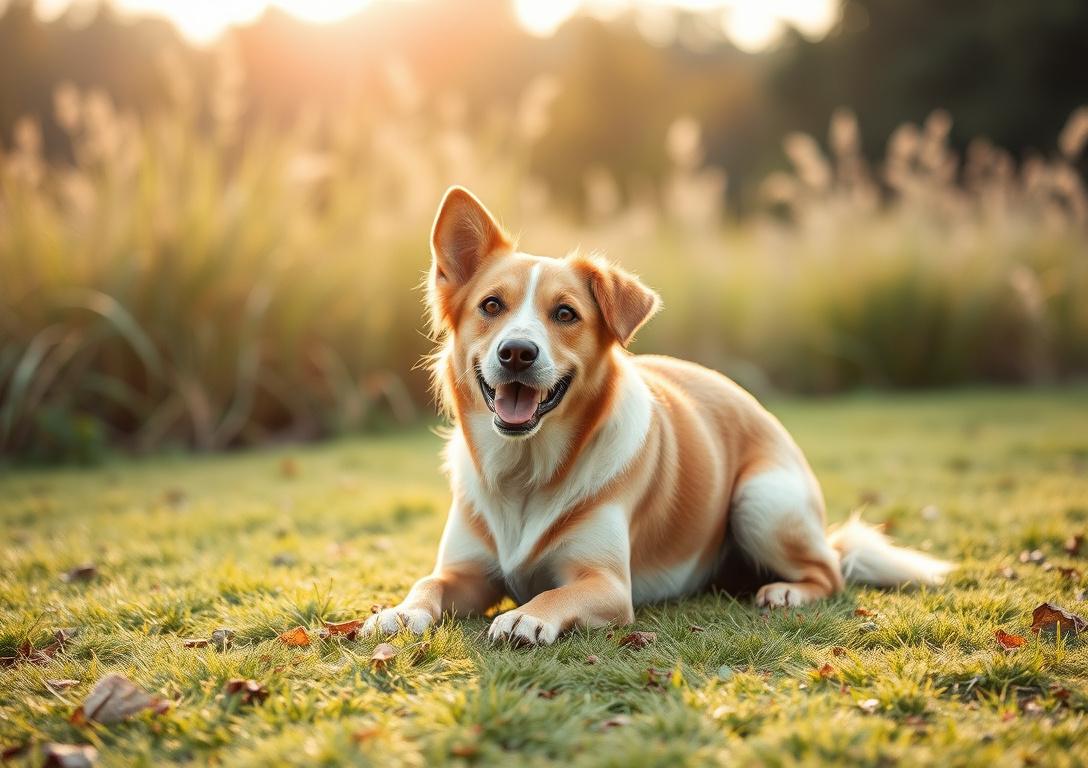
Exercise for Anxious Dogs: The Ultimate Science-Backed Guide to Calming Your Canine
Estimated reading time: 6 minutes
Key Takeaways:
- Physical movement acts as a biological “flush” for cortisol (the stress hormone).
- “Sniffaris” provide essential mental stimulation that is more tiring than physical running.
- Agility and task-based play build the confidence needed to overcome Dog Behavior Problems.
- Post-exercise “cool down” protocols are critical to prevent adrenaline stacking.
If you have ever watched your dog pace nervously during a thunderstorm, cower at the sound of a car backfiring, or compulsively chew on their paws, you know the heartbreak of witnessing Dog Anxiety. As owners, we often feel helpless, searching for Anxiety Treatments & Remedies that actually produce results. While many turn to medication or specialized vests, one of the most powerful tools in your toolkit is completely free and right outside your front door. Implementing a strategic routine of exercise for anxious dogs is not just about physical fitness; it is a biological necessity for emotional regulation.
In this comprehensive guide, we will explore why physical movement is a primary solution for Dog Behavior Problems, how the “Sniffari” can revolutionize your daily walks, and why understanding your dog’s cortisol levels is the secret to a calmer, happier household. Whether you are dealing with Puppy Behavior Issues or managing Senior Dog Behavior, the right kind of movement can bridge the gap between a state of constant fear and a life of tranquil confidence.
The Biological Link: Why Exercise for Anxious Dogs Works
To truly address Dog Behavior Problems, we must look beneath the surface. Anxiety isn’t just a “mood”—it is a physiological state driven by hormones and neurotransmitters. When we discuss exercise for anxious dogs, we are actually discussing a form of chemical management for the canine brain.
The Cortisol Cycle and the “Burn-Off Effect”
The primary culprit in a nervous dog’s system is cortisol, often referred to as the “stress hormone.” When a dog experiences Anxiety Triggers—such as a stranger approaching or a loud noise—their adrenal glands flood the bloodstream with cortisol to prepare for a “fight or flight” response.
For a dog with chronic anxiety, this cortisol doesn’t just disappear. It lingers, leading to a “cortisol soak” where the dog remains in a state of hyper-vigilance and irritability. This is often why you see Dog Excessive Barking or Jumping on People; the dog is physically “wound up” and has no outlet for that chemical energy.
Physical exertion acts as a natural “flush” for the system. Vigorous movement increases blood flow and metabolic rates, which helps the liver and kidneys process and clear out excess cortisol.
By providing a physical outlet, your dog “uses up” the energy that the stress hormone has prepared it for. This leads to a biological shift into the “rest and digest” state, providing much-needed canine anxiety relief.
Boosting the “Happy Chemicals”: Serotonin and Endorphins
While exercise removes the “bad” hormones, it simultaneously introduces “good” ones.
- Serotonin: This neurotransmitter is a natural mood stabilizer. It helps regulate anxiety, happiness, and sleep. Rhythmic, consistent exercise, such as a steady walk or swimming, is known to increase serotonin production in the canine brain.
- Dopamine and Endorphins: Activities that involve problem-solving or “the hunt” (like fetch or structured play) release dopamine. This provides a sense of reward and accomplishment that counters the feeling of helplessness often associated with Dog Outdoor Anxiety.
Research from institutions like the Association of Professional Dog Trainers suggests that structured physical activity is one of the most effective non-pharmaceutical Anxiety Treatments & Remedies available to pet parents today.
Targeted Activity #1: The “Sniffari” (Decompression Walks)
When most people think of exercise for anxious dogs, they imagine a long run or a game of fetch. However, for a dog struggling with Dog Behavior Problems, high-intensity movement can sometimes be too much. Enter the “Sniffari.”
How the Nose Calms the Brain
A dog’s brain is dominated by the olfactory cortex. In fact, their sense of smell is roughly 10,000 to 100,000 times more acute than ours. A “Sniffari” is a decompression walk where the dog leads the way, and the primary goal is olfactory stimulation rather than distance or speed.
When a dog stops to sniff, their heart rate actually lowers. According to studies highlighted by the American Kennel Club, 20 minutes of intense sniffing is as tiring for a dog as an hour of running. For an anxious dog, this is essential mental stimulation for dogs that builds confidence. It shifts their focus from external triggers—like a distant dog or a noisy truck—to the immediate, rewarding task of tracking scents.
How to Implement a Sniffari:
- Use a Long-Line Leash: Use a 10-15 foot leash to give your dog a sense of freedom. This significantly reduces “leash reactivity,” which is a common symptom of anxiety.
- Let the Dog Lead: Follow your dog’s nose. If they want to spend five minutes sniffing a single blade of grass, let them.
- Choose Quiet Environments: To minimize Anxiety Triggers, choose a quiet park or a trail during off-peak hours. This helps the dog feel safe enough to engage their nose.
Targeted Activity #2: Agility and Task-Based Play
For many, especially those owning Large Dog Breeds Anxiety is often a byproduct of a lack of “work.” Herding and working breeds (like Shepherds, Collies, and Retrievers) were bred to have a job. Without one, their energy turns inward, manifesting as Dog Anxiety.
Agility Training for Confidence
Agility training—which involves navigating tunnels, weaves, and jumps—is a powerful tool for building a dog’s self-esteem.
- Focus-Based Relief: Agility requires a dog to listen to their handler and focus on their own body mechanics. This forces the dog to “get out of their head” and focus on a specific task.
- Strengthening the Bond: The collaborative nature of agility strengthens the bond between owner and dog. A stronger bond creates a “secure base,” making the dog feel safer in stressful environments.
- The Serotonin Spike: The combination of cardiovascular work and the “win” of completing an obstacle creates a massive serotonin and dopamine boost.
Agility is also a highly effective method for tiring out high energy dog breeds that might otherwise become destructive due to stress. Even if you don’t have access to a professional course, you can create a DIY version in your backyard using cones, hula hoops, and sturdy boxes. This is particularly effective for Small Dog Breeds Anxiety as well, as it can even be practiced in a living room on a rainy day.
Managing Anxiety Across the Lifespan
The type of exercise for anxious dogs you choose should be tailored to their life stage.
Puppy Behavior Issues
Puppies are often “land sharks” because they are overstimulated or under-exercised. For a puppy with early signs of anxiety, short bursts of structured play are better than long, grueling walks. Focus on “socialization walks” where the goal is to observe the world at a distance while receiving treats, pairing the exercise with positive reinforcement.
Senior Dog Behavior
As dogs age, their anxiety can increase due to cognitive decline or physical discomfort. Senior Dog Behavior issues, like night-time pacing or increased clinginess, can be managed with low-impact exercise. Swimming is an incredible option for seniors, as it provides the canine anxiety relief of rhythmic movement without stressing their joints.
The Important Caveat: Avoiding Over-Stimulation
While we promote exercise for anxious dogs, it is vital to note that more is not always better. For extremely anxious dogs, high-intensity exercise like long games of fetch or “flirt poles” can backfire.
Threshold Management
If a dog’s dog stress hormones are already peaking, high-adrenaline games might keep them in a state of hyper-arousal. This is known as “stacking” triggers. If your dog is already over their threshold, a high-speed chase game can keep their heart rate elevated for hours, making them more likely to react to small noises later in the evening.
The “Cool Down” Protocol
Every exercise session for an anxious dog should end with a “cool down.”
- Licking and Chewing: The act of repetitive licking or chewing promotes further serotonin release and lowers the heart rate.
- Practical Solution: After a walk or play session, provide your dog with a frozen licking mat or a natural chew toy. This signals to their nervous system that the “hunt” is over and it is time to relax.
Nutrition & Supplements: Supporting the Exercise Routine
Exercise is a piece of the puzzle, but for the best results, it should be paired with proper Nutrition & Supplements. Just as human athletes need the right fuel to manage stress, anxious dogs benefit from diets rich in Omega-3 fatty acids and L-theanine.
At www.chilldogzone.com, we emphasize a holistic approach. If your dog’s body is nourished, their brain is better equipped to handle the metabolic demands of exercise and the processing of dog cortisol levels. Always consult with your veterinarian to see if a calming supplement might give your dog the “leg up” they need to enjoy their exercise without fear.
Practical Takeaways for Dog Owners
- Audit Your Walk: Instead of a fast-paced “power walk” around the block, try a 20-minute Sniffari. Watch your dog’s body language—are their ears relaxed?
- Monitor Intensity: If your dog seems more “wired” after a game of fetch, scale back the intensity and replace it with a task-based game like “Hide and Seek” with treats.
- Schedule Consistency: Anxiety thrives on uncertainty. Schedule your exercise for anxious dogs at the same time every day to help lower their overall stress levels.
- Incorporate “Brain Games”: Use puzzle feeders for every meal. This provides valuable mental stimulation for dogs and ensures your dog is “working” for their food.
- Watch the Threshold: If your dog is showing signs of Dog Outdoor Anxiety, don’t force the exercise. Start in your backyard until they feel safe.
Conclusion: Exercise for Anxious Dogs Creates a Calm Canine
Dealing with Dog Anxiety and Dog Behavior Problems can be an exhausting journey. However, by understanding the physiological link between movement and the brain, you can move from a place of frustration to a place of empowerment.
Exercise for anxious dogs is not a luxury; it is a vital component of behavioral therapy. By flushing out dog stress hormones and replacing them with boost dog serotonin activities like Sniffaris and agility, you are giving your dog the biological tools they need to stay calm.
For more tips on managing Dog Excessive Barking, Jumping on People, and finding the best Anxiety Treatments & Remedies, stay tuned to www.chilldogzone.com—your partner in creating a peaceful life for you and your furry best friend.
Sources for further reading:
Frequently Asked Questions
How does physical exercise reduce dog stress hormones?
Physical exertion increases metabolic rates, which helps the dog’s liver and kidneys clear excess cortisol from the bloodstream faster, shifting them from “fight or flight” to a “rest and digest” state.
What is a Sniffari and why is it better for anxiety than running?
A Sniffari is a decompression walk where the dog leads with their nose. Intense sniffing lowers a dog’s heart rate and provides mental stimulation that is often more exhausting and calming than high-adrenaline running.
Can agility training help with Dog Behavior Problems?
Yes. Agility requires focus and task-completion, which builds self-esteem and provides a dopamine reward, helping dogs feel more confident and less reactive to external triggers.
What is “adrenaline stacking” in anxious dogs?
This happens when high-intensity exercise (like fetch) keeps a dog’s heart rate and stress hormones elevated for too long. If they aren’t given a cool-down period, they remain hyper-aroused and more likely to react to triggers later.