
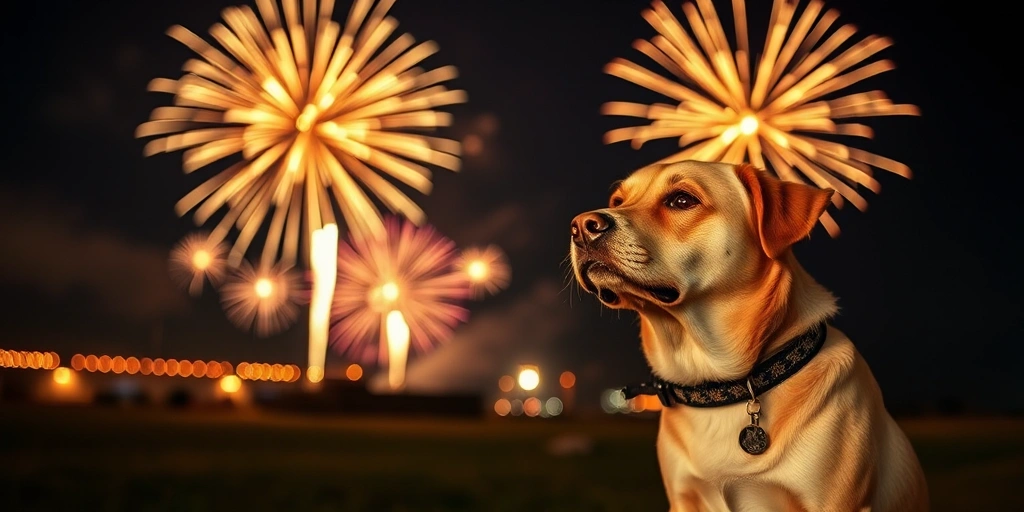
The Sound Barrier: A Comprehensive Guide to Managing Severe Dog Firework Anxiety and Noise Phobia
Estimated Reading Time: 10 minutes
Key Takeaways
- Preparation is Mandatory: Effective management requires starting desensitization and counter-conditioning training 3–4 months in advance of noise events.
- Environmental Control is Crucial: Establish a dark, soundproof safe den (basement, closet, covered crate) weeks prior to the event.
- Use Acoustic Masking: Implement white noise or specialized sound therapy 1–2 hours *before* the anticipated noise starts to prevent the panic cascade.
- Avoid Outdated Sedatives: Never use Acepromazine; it chemically restrains the dog but fails to reduce their intense internal fear.
- Consult a Vet for Severe Cases: Situational anxiolytics like Sileo (Dexmedetomidine) or Trazodone are often essential and must be administered 30–90 minutes *before* panic sets in.
Dog firework anxiety is one of the most widespread and distressing Dog Behavior Problems facing pet owners in the USA. While holiday celebrations like the Fourth of July or New Year’s Eve bring joy to families, they can plunge a dog into a state of severe panic. If your dog trembles, paces uncontrollably, hides, or attempts to escape when the booms begin, you are dealing with Canine Noise Aversion—a serious psychological condition that requires proactive, evidence-based Dog Anxiety Solutions.
At Chill Dog Zone, we understand that finding effective Anxiety Treatments & Remedies can feel overwhelming. Drawing on veterinary behavioral research, this comprehensive guide provides a detailed, actionable Dog Anxiety Solutions blueprint to manage, and potentially reduce, your dog’s acute distress, ensuring their safety and comfort during peak noise events.
Understanding Dog Firework Anxiety: Why Preparation is the Only Solution
The fear induced by unexpected loud noises—whether fireworks, thunderstorms, or construction sounds—is more than just being startled. It’s a genuine phobia where the dog perceives an immediate threat, leading to physiological panic: increased heart rate, high levels of cortisol, and often destructive escape attempts.
The primary failure point for most owners tackling Dog firework anxiety is waiting until the noise starts. Once the dog has entered a state of panic, learning and calming interventions become impossible. Effective management of severe noise phobia requires preparation starting months in advance, combining training, environmental control, and, in many severe cases, veterinary support. This commitment to Dog Anxiety Solutions is critical for all owners, whether you have a large breed prone to developing Large Dog Breeds Anxiety or a small companion dealing with Small Dog Breeds Anxiety. Noise phobia does not discriminate.
I. Proactive Preparation: The 12-Week Blueprint for Reducing Noise Sensitivity
The most effective, long-term strategy for mitigating noise phobia—known as desensitization and counter-conditioning—must begin 3 to 4 months (12–16 weeks) in advance of the known noise event. This technique is formally known as Behavioral Modification Training. This allows sufficient time to retrain the dog’s emotional response to the Anxiety Triggers. We focus here on advanced Dog Anxiety Solutions.
1. Desensitization and Counter-Conditioning Protocol
The goal of this training is straightforward: change the dog’s negative emotional association with the sound from “DANGER” to “REWARD.” This is the cornerstone of effective Dog Anxiety Solutions.
A. Desensitization Method: Gradual Sound Exposure
The process involves using recordings of the feared sounds (e.g., specific firework tracks or thunder CDs) at a volume and intensity that is so low, it does not cause a fearful response.
- Start Subtly: Begin playback at the lowest volume setting—barely audible to you and your dog. If your dog stops what they are doing, cocks their head, or shows any signs of anxiety (lip-licking, panting, pacing, hiding), the volume is too high. You must stop and regress to an even lower volume.
- The Power of Pairing (Counter-Conditioning): The sound must always be paired with something incredibly high-value, reserved only for these sessions. This means rewards your dog rarely gets, such as boiled chicken breast, slices of cheese, peanut butter licks, or a favored chew toy.
- The Procedure: Play the barely audible sound while the dog is happily engaged (eating dinner, playing fetch, or receiving a high-value chew). The sound should only be present when the dog is relaxed or anticipating a positive event.
- Gradual Progression: Over weeks, very slowly increase the volume and duration. Consistency is paramount. If you progress too quickly and induce fear, you have undone the previous positive conditioning and must immediately return to a lower volume. Achieving consistency is key to all Dog Anxiety Solutions.
B. Training Frequency and Consistency
Short, successful sessions are far more impactful than long, stressful ones. Aim for 5–10 minutes, 2–3 times per day. Consistency over several months is the key to creating a lasting neurological change. This method helps build resilience not only against fireworks but also potentially reduces Dog Excessive Barking triggered by other sharp, unexpected sounds, proving it among the top Dog Anxiety Solutions.
II. Environmental Fortress: Managing Acute Anxiety Triggers
Even with excellent proactive training, environmental management is crucial during the days surrounding the event. These Dog Anxiety Solutions measures reduce the immediate sensory input that triggers panic.
1. Creating a Designated Safe Den/Retreat
Your dog needs a place to go where they feel safe and where the outside world is muffled. This space must be set up weeks, not hours, before the noise starts, so your dog voluntarily associates it with comfort. This strategy is vital among immediate Dog Anxiety Solutions.
- Location Matters: Choose an interior room with no windows, like a basement, an inner hallway, or a large, walk-in closet. If using a crate, cover it completely with heavy blankets to create a light- and sound-dampening den.
- Comfort and Resources: Ensure the den contains the dog’s favorite bedding, water, and long-lasting enrichment toys (like a stuffed Kong). Never force your dog into the den; they must be able to access it voluntarily.
Source Information: Reputable behavioral science sources emphasize that forced confinement during an anxious episode worsens the phobia by associating the safe space with terror. (Reference: Scientific literature on companion animal behavior; Veterinary Behavior Resource URLs)
2. Soundproofing and Visual Barrier Control
Visual stimuli (like flashes of light) are often massive Anxiety Triggers during firework events. Implementing visual barriers is a simple form of Dog Anxiety Solutions.
- Block the Visuals: Cover all nearby windows with heavy, dark curtains, blankets, or even plywood to eliminate the visual cues of the flashes.
- Acoustic Management (White Noise): This is perhaps the single most important environmental aid. Fireworks are characterized by sudden, sharp ‘cracks’ and high-frequency noise bursts. White noise effectively masks these unpredictable spikes. This acoustic management forms reliable Dog Anxiety Solutions.
- Place a dedicated, powerful white noise machine (or a loud box fan) inside or right next to the safe den.
- Alternatively, utilize classical music or specialized sound therapy designed for dogs (such as Through a Dog’s Ear).
- Timing: Start the white noise or music 1–2 hours *before* the anticipated noise starts. This prevents the dog from hearing the first boom, which usually kicks off the panic cascade.
3. Calming Gear and Pheromone Support
For mild to moderate Dog Anxiety, these tools can provide valuable, non-pharmaceutical support, complementing other Dog Anxiety Solutions.
- Compression Wraps (Thundershirts): These vests apply gentle, constant pressure to the dog’s torso, similar to swaddling a baby. This sustained pressure can have a calming effect on the nervous system. We consider these tools among the Best Dog Calming Products.
- Pheromones: Utilize Adaptil (Dog Appeasing Pheromone, or DAP) diffusers or collars. These synthetic pheromones mimic the comforting scent released by a nursing mother dog and provide a baseline level of reassurance. Place the diffuser directly in the designated safe room several days before the event for optimal saturation. This is a subtle yet necessary component of Dog Anxiety Solutions.
Note on Nutrition & Supplements: Over-the-counter supplements like L-Theanine (found in products like Anxitane) or alpha-casozepine (found in Zylkene) can be excellent complementary Anxiety Treatments & Remedies. They are best used for mild cases or in conjunction with prescription medication for severe cases, as they help raise the dog’s overall threshold for stress. When integrated with other methods, they form part of the Best Dog Calming Products strategy.
III. Veterinary Interventions: When Medication is Essential for Safety
For dogs with severe Dog firework anxiety or generalized Dog Anxiety (including severe Dog Outdoor Anxiety or high reactivity), medication is often required to bring the panic down to a manageable level. This represents the necessary pharmacological approach to Dog Anxiety Solutions. It is essential that all pharmacological solutions are prescribed and monitored by a licensed veterinarian.
A CRITICAL WARNING About Sedatives
In the past, many veterinarians used older sedatives like Acepromazine. This practice is now strongly discouraged by veterinary behaviorists. Acepromazine chemically restrains the dog, making them look sleepy, but it does not reduce their internal anxiety or phobia. The dog is awake, terrified, paralyzed, and unable to escape the sounds. This experience often deepens the phobia in the future. Never use Acepromazine for noise phobia management.
1. Acute, Situational Anxiolytics
These medications are used specifically for high-risk noise events and must be administered before the panic sets in.
- Sileo (Dexmedetomidine Oromucosal Gel): This is the only medication FDA-approved specifically for canine noise aversion. It works rapidly (30–60 minutes) when applied to the dog’s cheek pouch. It reduces the dog’s hypersensitivity to sound without causing heavy sedation, making it highly effective for sudden noise events, offering immediate Dog Anxiety Solutions.
- Trazodone: A short-acting serotonin antagonist and reuptake inhibitor (SARI). Trazodone is extremely effective for acute, situational anxiety. It is typically dosed 1–2 hours before the anticipated noise peak.
- Benzodiazepines (e.g., Alprazolam, Clonazepam): These are powerful, fast-acting anxiolytics that reduce panic by enhancing the effect of the neurotransmitter GABA (the brain’s natural calming agent). They are used strategically, often paired with Trazodone for synergistic effects, but require careful veterinary monitoring due to potential side effects.
Essential Timing: The greatest mistake when using situational medication is administering it too late. Medication must be given 30 to 90 minutes before the dog enters a state of high panic, ensuring the therapeutic level is reached just as the noise begins. If the dog is already shaking, drooling, and trying to escape, the medication will be significantly less effective. Understanding timing is paramount for all Dog Anxiety Solutions.
2. Long-Term Management for Severe Anxiety
If your dog’s noise phobia is only one symptom of broader, generalized Dog Anxiety (including chronic issues like Separation Anxiety in Dogs), or if the firework event spans several days (like around July 4th), your veterinarian might recommend long-term daily medication. These proactive steps are crucial Dog Anxiety Solutions.
- SSRIs/TCAs: Medications such as Fluoxetine (Reconcile) or Clomipramine (Clomicalm) can be prescribed. These must be given daily for at least 4 to 6 weeks to reach therapeutic levels. They work by raising the dog’s overall anxiety threshold, making them more resilient to training and environmental changes, and less likely to panic during noise events. This is especially relevant for dogs with complex Dog Behavior Problems.
Source Information: Veterinary behavioral pharmacology guidelines highlight the necessity of combining medication with behavioral modification (desensitization) for lasting change in Canine Noise Aversion. This integrated approach defines modern Dog Anxiety Solutions. (Reference: American College of Veterinary Behaviorists consensus statements)
IV. Practical Takeaways for Every Dog Owner
Managing severe Dog firework anxiety is a marathon, not a sprint. Whether you are dealing with Puppy Behavior Issues or managing stress in a Senior Dog Behavior, these actionable steps apply to every dog owner in the USA facing noise phobia, providing concrete Dog Anxiety Solutions.
| Timeline | Action Item | Purpose & Relevance |
|---|---|---|
| 3-4 Months Prior | Start Desensitization/Counter-Conditioning. | The only way to truly change the emotional response to Anxiety Triggers. |
| 1 Week Prior | Set up the Safe Den. | Establish the secure, designated retreat using blankets, pheromones (Adaptil), and familiar items. |
| Day of Event | Exercise Early. | Give your dog a strenuous physical and mental exercise session early in the day before the noise starts. A tired dog is a calmer dog. |
| 1-2 Hours Prior | Implement Acoustic Management. | Turn on the white noise machine, classical music, or loud fan in the safe room. |
| 60-90 Minutes Prior | Administer Situational Medication. | Give Trazodone, Sileo, or prescribed anxiolytics before the first expected noise. |
| During the Noise | Ignore the Fear (Pacing/Panting). | Your presence in the safe den can be comforting, but avoid excessive coddling or loud reassurances, which can inadvertently reward the fearful behavior. |
| During the Noise | Provide Enrichment. | Offer the dog a high-value chew (e.g., bone or frozen Kong) in the den. This keeps them focused on a positive, low-key activity. |
| Always | Leash Management. | During high-risk periods, ensure all walks are on a secure harness and leash. Anxiety causes dogs to bolt, leading to severe Dog Outdoor Anxiety and high risk of injury. |
Connecting Anxiety Solutions to Other Behavior Issues
The holistic approach used to tackle noise phobia—combining Behavioral Modification Training, environmental controls, and pharmacology—is the gold standard for managing other common Dog Behavior Problems and requires dedicated Dog Anxiety Solutions. For instance:
- Anxiety and Impulse Control: Chronic, generalized Dog Anxiety can manifest as impulse control issues, such as excessive reactivity or even actions like Jumping on People. By treating the underlying anxiety with proper training and sometimes medication (SSRIs), you can raise the dog’s threshold for all stressors, improving overall conduct. These are crucial elements of effective Dog Anxiety Solutions.
- Excessive Barking: Desensitization protocols used for fireworks can be adapted for sounds that trigger Dog Excessive Barking (like doorbells or passing trucks). You counter-condition the sound with reward, changing the dog’s reaction from alert/fear to anticipation/calm.
By viewing Dog firework anxiety not as a nuisance but as a serious behavioral disorder requiring immediate, compassionate, and expert intervention, you provide your dog with the tools they need to navigate a noisy world safely and calmly. Trust the process, work closely with your veterinarian, and enjoy a quieter, chill dog zone year-round with proven Dog Anxiety Solutions.
FAQ: Frequently Asked Questions
Can I treat severe dog firework anxiety without medication?
For severe noise phobia, complete success without medication is unlikely in the short term, especially if the dog enters a full panic state. While proactive desensitization (Behavioral Modification Training) is the best long-term solution, acute panic often requires temporary use of situational anxiolytics (like Sileo or Trazodone), prescribed by a veterinarian, to keep the dog safe and comfortable during the peak noise event. These pharmacological solutions lower the dog’s baseline stress enough for training and environmental control to be effective.
Why is Acepromazine not recommended for noise phobia?
Acepromazine is a sedative that causes chemical restraint without addressing the dog’s internal emotional state. The dog appears drowsy but is still mentally terrified and hyper-aware of the noise. This condition, often described as “chemically paralyzed fear,” can actually deepen the phobia because the dog is prevented from moving or escaping the perceived threat. Modern Dog Anxiety Solutions focus on true anxiolytics (anti-anxiety drugs) that reduce fear processing in the brain.
When should I give my dog situational anxiety medication?
Situational anxiolytics must be given 30 to 90 minutes before the first anticipated noise begins. The medication needs time to reach therapeutic levels in the dog’s system. If you wait until your dog is already showing signs of panic (shaking, panting, pacing), the medication’s effectiveness will be severely limited. Combining medication timing with early acoustic management (turning on white noise) is crucial for success.
How do I create the best safe den?
The ideal safe den is an interior, windowless room (like a closet or basement) where outside sounds and visuals are minimized. Cover crates with heavy blankets to block light. The den should contain comfortable bedding, water, and highly motivating, long-lasting enrichment toys (like a frozen Kong or bone) to keep the dog positively engaged. Crucially, introduce the den weeks in advance and never force the dog to enter or stay there; it must be a voluntary retreat.